
Gas alarm and escape
The personal detector alarms. Check the wind and escape crosswind to the muster point.
A gas alarm sounds and the wind is moving. Workers practise the escape route, the breathing apparatus and the rescue decision, in a model of your plant.
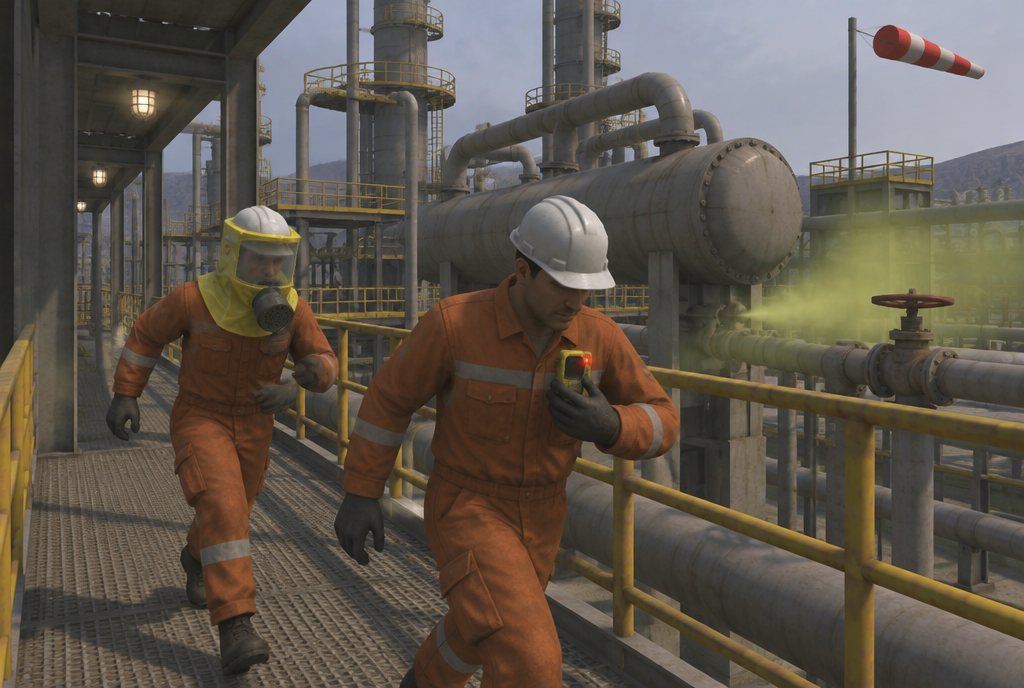
Harmful gas response training puts workers in a model of their own plant when a gas alarm sounds, alone in VR or with their crew in team VR. They read the detector and the wind, escape crosswind to the right muster point, don breathing apparatus and decide whether a rescue is safe, so the response is rehearsed before a real release.
Some harmful gases have no smell, and some deaden the sense of smell at dangerous levels, so workers can't rely on their nose, and seconds matter.
Simulation lets crews face the alarm, the wind and the casualty, and rehearse the response until it doesn't need thinking about.
Examples only. We rebuild each one around your site, equipment and procedures.
The personal detector alarms. Check the wind and escape crosswind to the muster point.
Don escape or self-contained breathing apparatus quickly and correctly.
A co-worker is down. Raise the alarm and wait for a protected rescue.
Every session can be scored against your own checklist and exported to your LMS or as PDF.
Scenarios follow your site's gas detection, alarm and muster procedures and the breathing apparatus your crews use.
The same harmful gases scenarios can run on different hardware. We recommend a format in scoping, and many projects use more than one. Each links to the service that builds it.
A gas alarm in your own plant, with the wind moving.
Standalone headset · Works offlineVR training apps Multi-user VRWorks wellCrews escaping and mustering together.
Networked headsets · Instructor viewMulti-user VR drills Mixed reality (XR)Also possibleDon real breathing apparatus while the virtual release spreads.
Passthrough headset · Real equipmentMixed reality (XR) training Web & mobile 3DAlso possibleDetector readings and muster points as a refresher.
Any browser · SCORM / xAPIDesktop & web 3D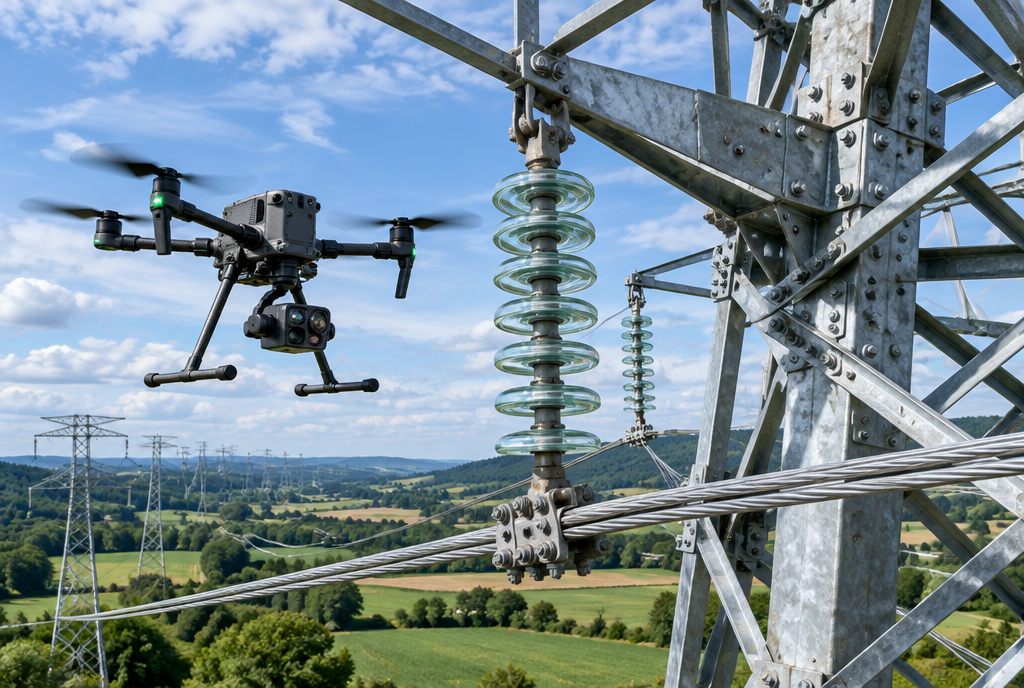
Lines, towers and bridges, with stand-off distances and complete data capture.
See the example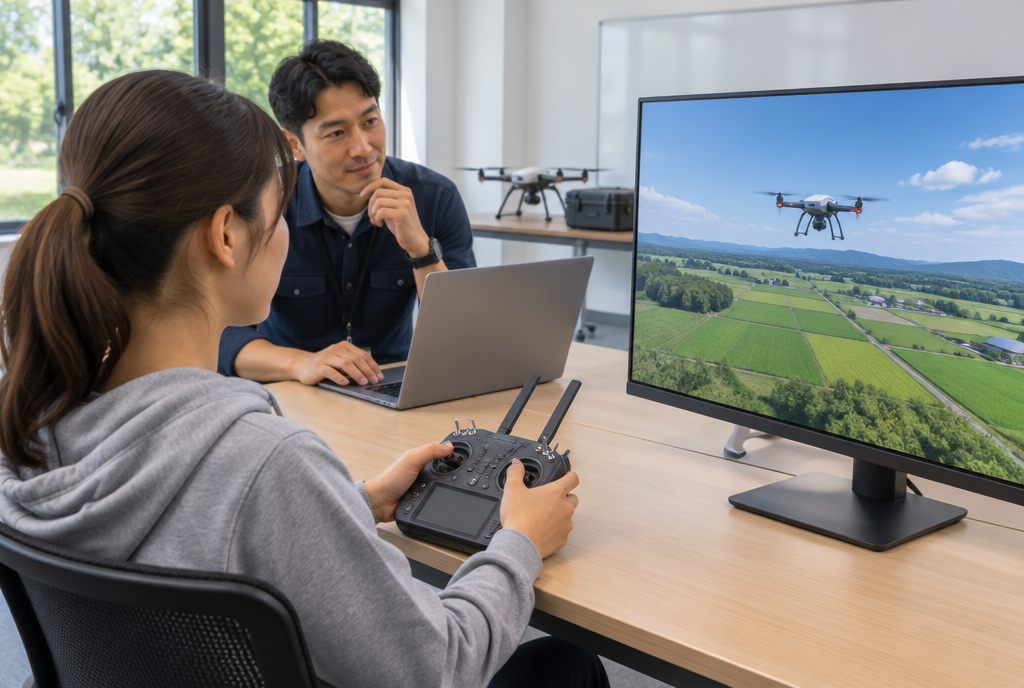
Manual flight without GPS, low battery in wind and lost link.
See the example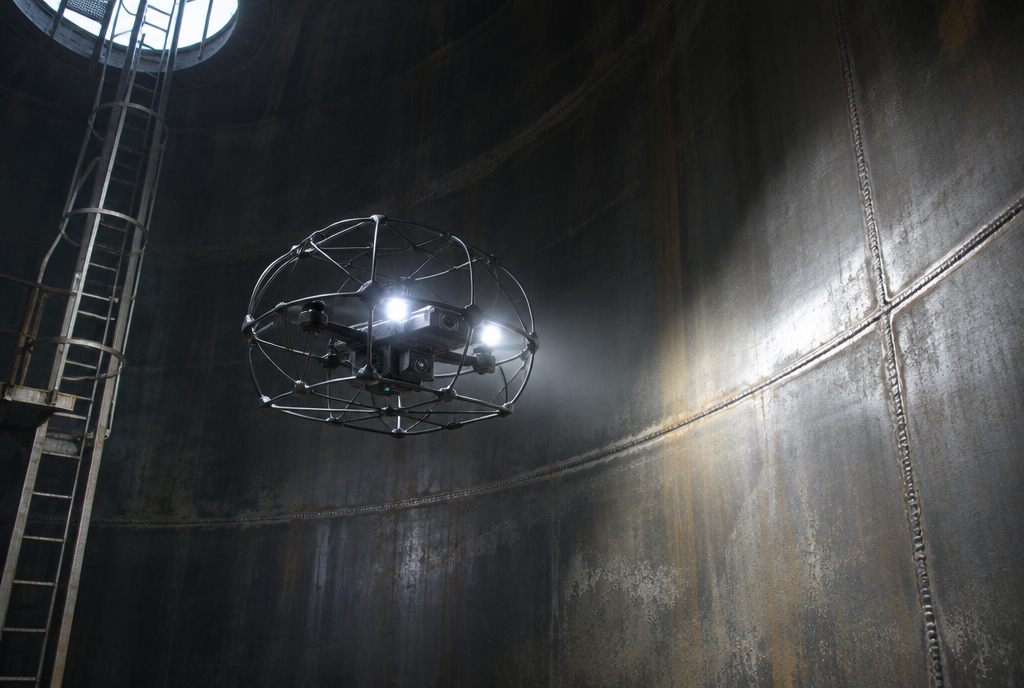
Tanks, boilers, stopes and tunnels with no GPS and little light.
See the example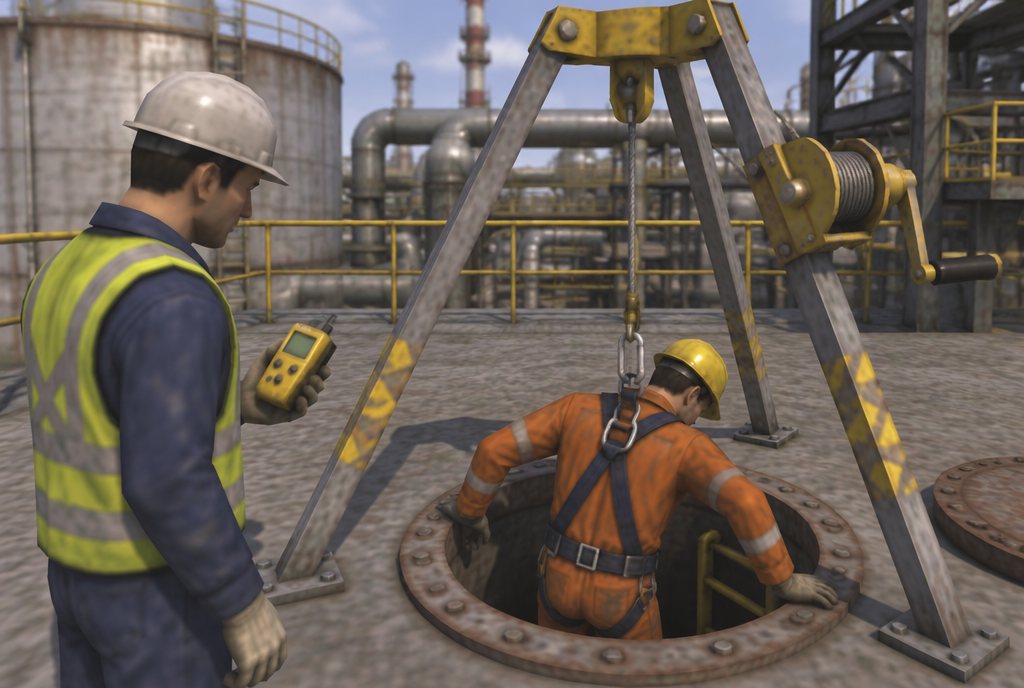
Permits, gas tests, entry, standby duties and rescue.
See the exampleA first call about what your people face, then an outline of the scenarios, the format and the scoring we would build.
Start a projectHarmful gas response training puts workers in a model of their own plant when a gas alarm sounds, alone in VR or with their crew in team VR. They read the detector and the wind, escape crosswind to the right muster point, don breathing apparatus and decide whether a rescue is safe, so the response is rehearsed before a real release.
Yes. We model the plant, the muster points and the wind indicators, and change the wind between runs.
Yes. We build scenarios for the harmful and flammable gases present on your site, with the detectors and alarms you use.
Yes. Team VR lets a crew practise the muster and headcount together.