
Digital twins for machinery and equipment
3D twins of machines and plant linked to their telemetry, so maintenance teams see condition, faults and history before they pick up a spanner.
- Part of
- Digital twins
- Off the shelf
- Nothing
- Starts with
- Scoping
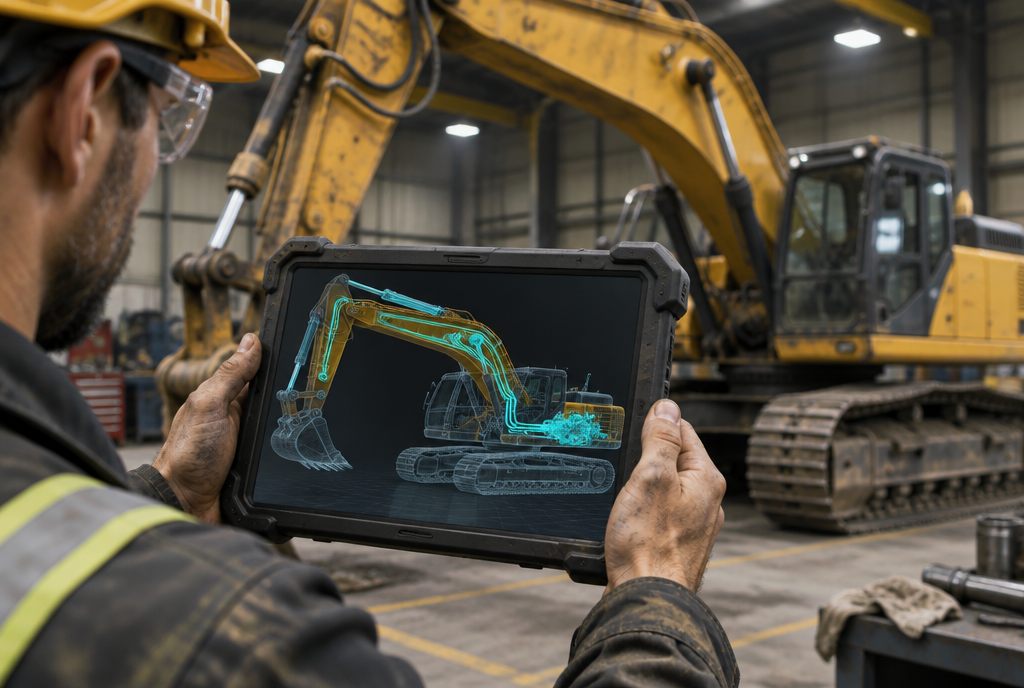
What is a machinery digital twin?
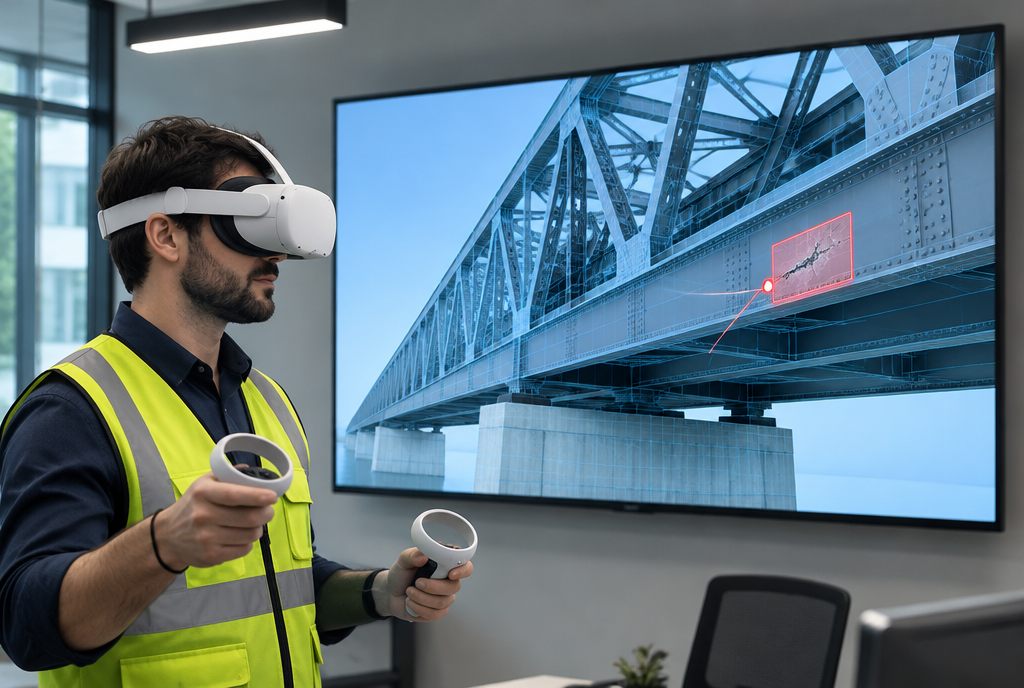
A machinery digital twin is a 3D model of a specific machine or plant item connected to its telemetry, such as engine hours, temperatures, pressures, vibration and fault codes. Maintenance and operations teams use it to monitor condition, diagnose faults remotely and plan servicing.
A fault code on its own rarely tells a technician what to bring. Seen on a 3D model, next to recent readings and service history, it often does.
The same model trains new technicians on the machine's systems before they work on the real thing.
What’s included
Scoped to your project. Every part is built for your site, people and procedures.
- Telemetry integrationData from machine controllers, gateways and fleet systems.
- Condition monitoringVibration, temperature and pressure trends with alerts.
- Service historyWork orders and parts linked to components in the model.
- Technician trainingExploded views and procedures on the same model.
Industries we build it for
Pick your industry to see examples and the formats each can be built in. All industries
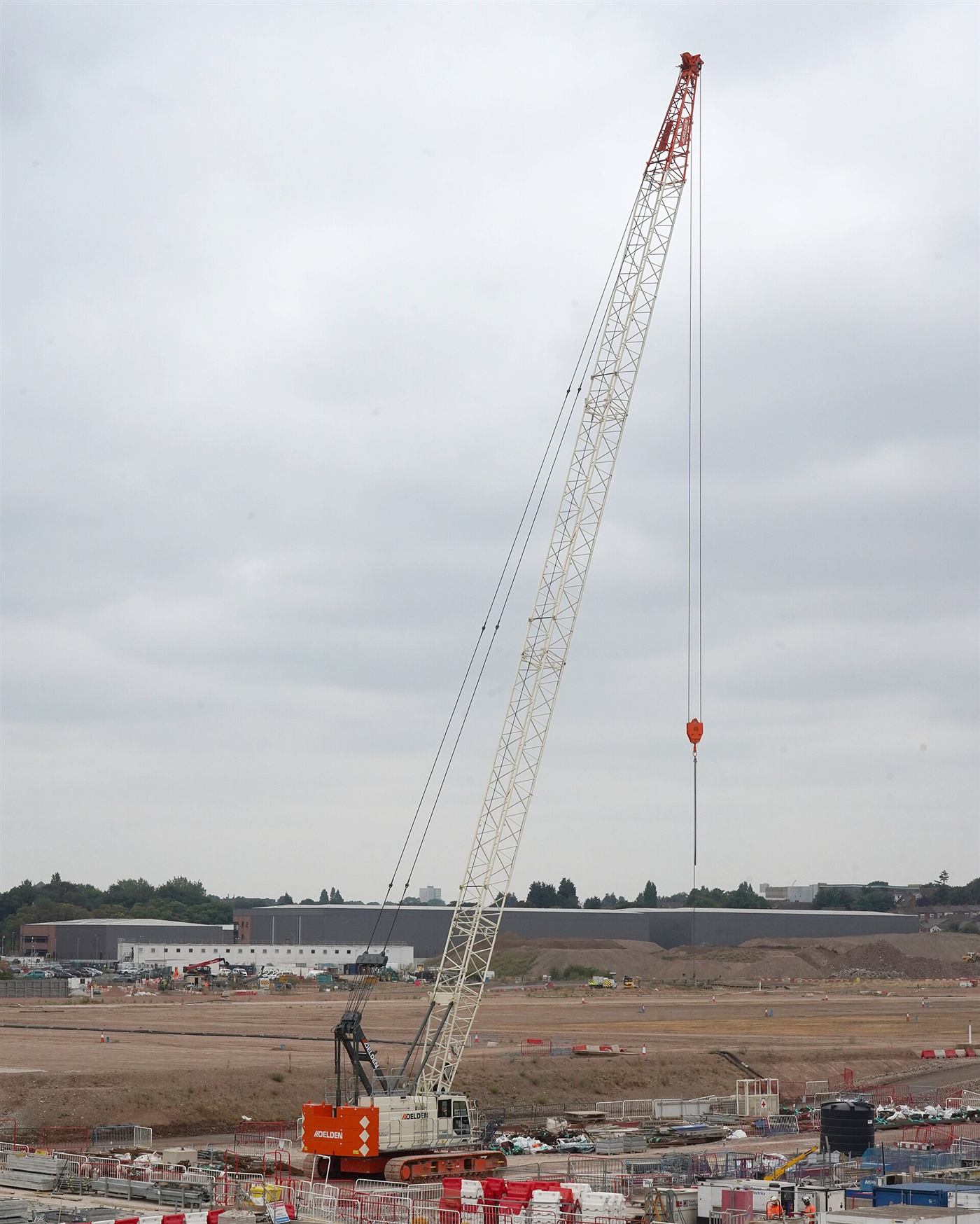
Construction
Tower crane / Mobile & crawler crane / Rigging, dogging & signalling / Excavator
See the industry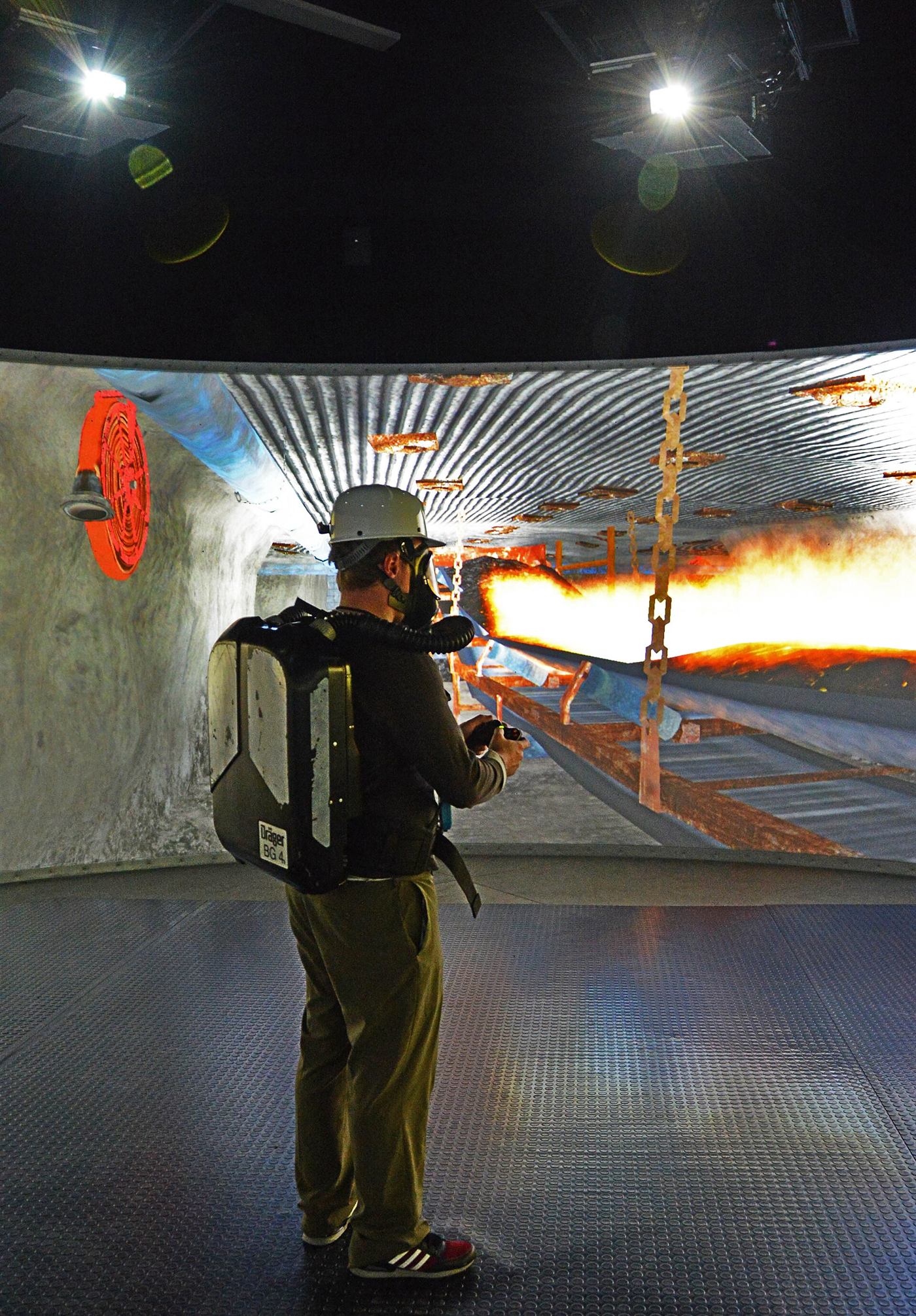
Mining & resources
Underground hazard awareness / Mine emergency & escape / Mine rescue team drills / Underground loaders & remote operation
See the industry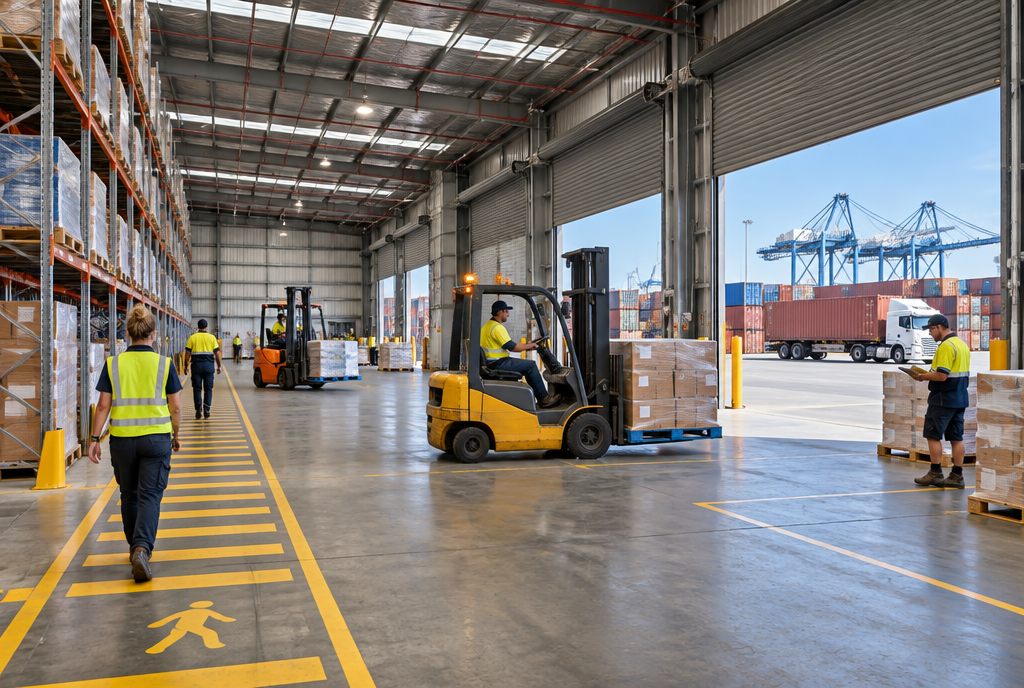
Logistics & manufacturing
Forklift & reach truck / Overhead & gantry crane / Port & container cranes / Isolation & lockout/tagout
See the industry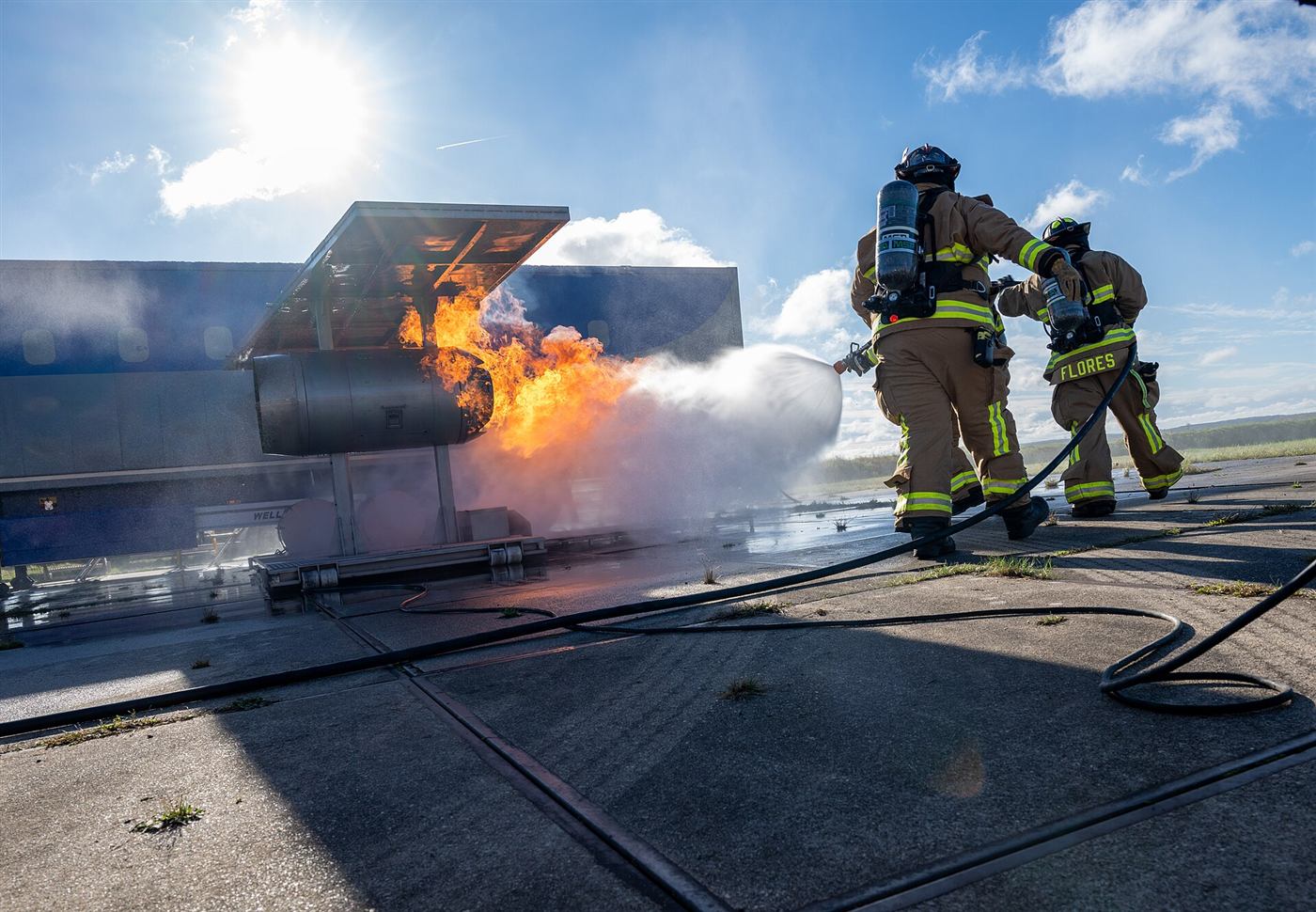
Fire & emergency
Fire alarm panel & fault-finding / Fire warden & evacuation / Fire extinguisher training / Hot work & fire watch
See the industry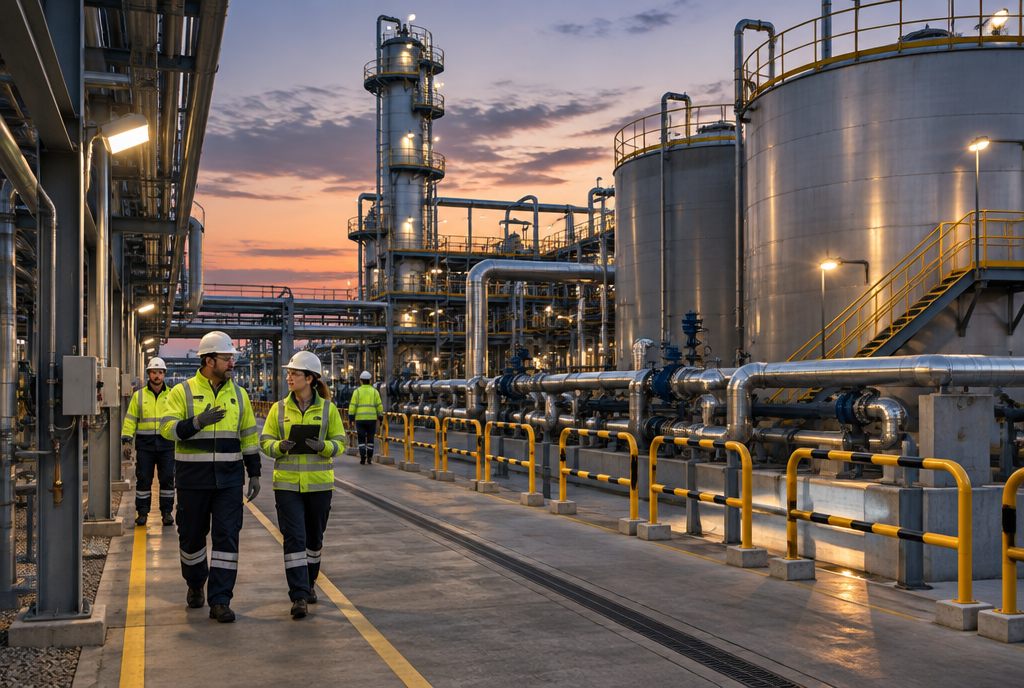
Energy & utilities
Power line & asset inspection / Flight fundamentals & emergencies / Confined-space & indoor flight / Confined space entry & rescue
See the industry
Property & real estate
Off-the-plan walkthroughs / Building operations twins / Remote property inspections
See the industryMore in digital twins

Start with a scoping call
A 30-minute call to understand the problem, then a first outline with a timeline and estimate.
Start a projectFrequently asked questions
What is a machinery digital twin?
A machinery digital twin is a 3D model of a specific machine or plant item connected to its telemetry, such as engine hours, temperatures, pressures, vibration and fault codes. Maintenance and operations teams use it to monitor condition, diagnose faults remotely and plan servicing.
Can you connect to our fleet management system?
Where the system offers an API or a data export, yes.
Do machines need new sensors?
Many already report useful data. We add sensors where there are gaps that matter.
Is this predictive maintenance?
It's the foundation for it. Trends and thresholds come first; predictive models can be added once there's enough history.