
Scenario design for VR and simulator training
Branching scenarios built around the moments that lead to incidents: the missed call, the wrong isolation point, the gust mid-lift.
- Part of
- Custom training programs
- Off the shelf
- Nothing
- Starts with
- Scoping
What makes a good VR training scenario?
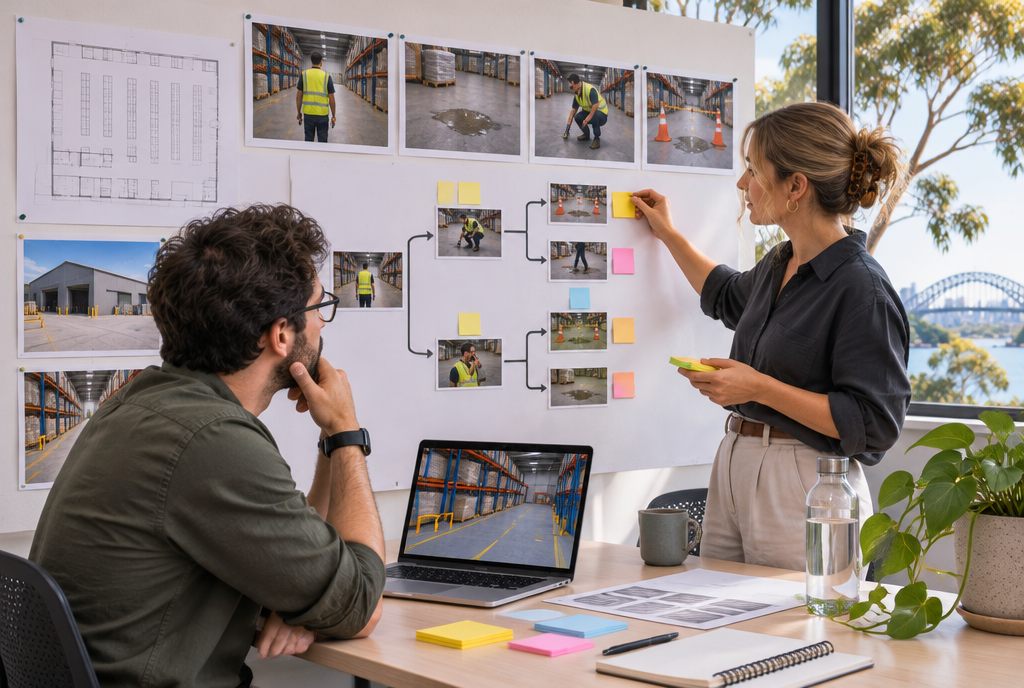
A good VR training scenario recreates one realistic task, puts a consequential decision in front of the trainee, lets them get it wrong safely and shows them why it matters. It uses the trainee's own equipment and procedures, and it is scored on what they did, not on whether they reached the end.
Most incidents come down to a small number of decisions made under pressure. We script scenarios around those decisions and the cues that should trigger them, so trainees practise noticing, not just doing.
Each scenario is written as a storyboard and a branch map first, reviewed by your subject-matter experts, then built. Changes are cheap on paper and expensive in 3D.
What’s included
Scoped to your project. Every part is built for your site, people and procedures.
- Storyboards and branch mapsEvery step, cue, decision and consequence agreed before production.
- Fault and emergency injectionInstructors can trigger failures, weather or a person in the wrong place at any point.
- Difficulty levelsThe same scenario from a guided first run to an unassisted assessment.
- Voice and languageVoiced instruction, localised for the languages your crews speak.
Industries we build it for
Pick your industry to see examples and the formats each can be built in. All industries
Construction
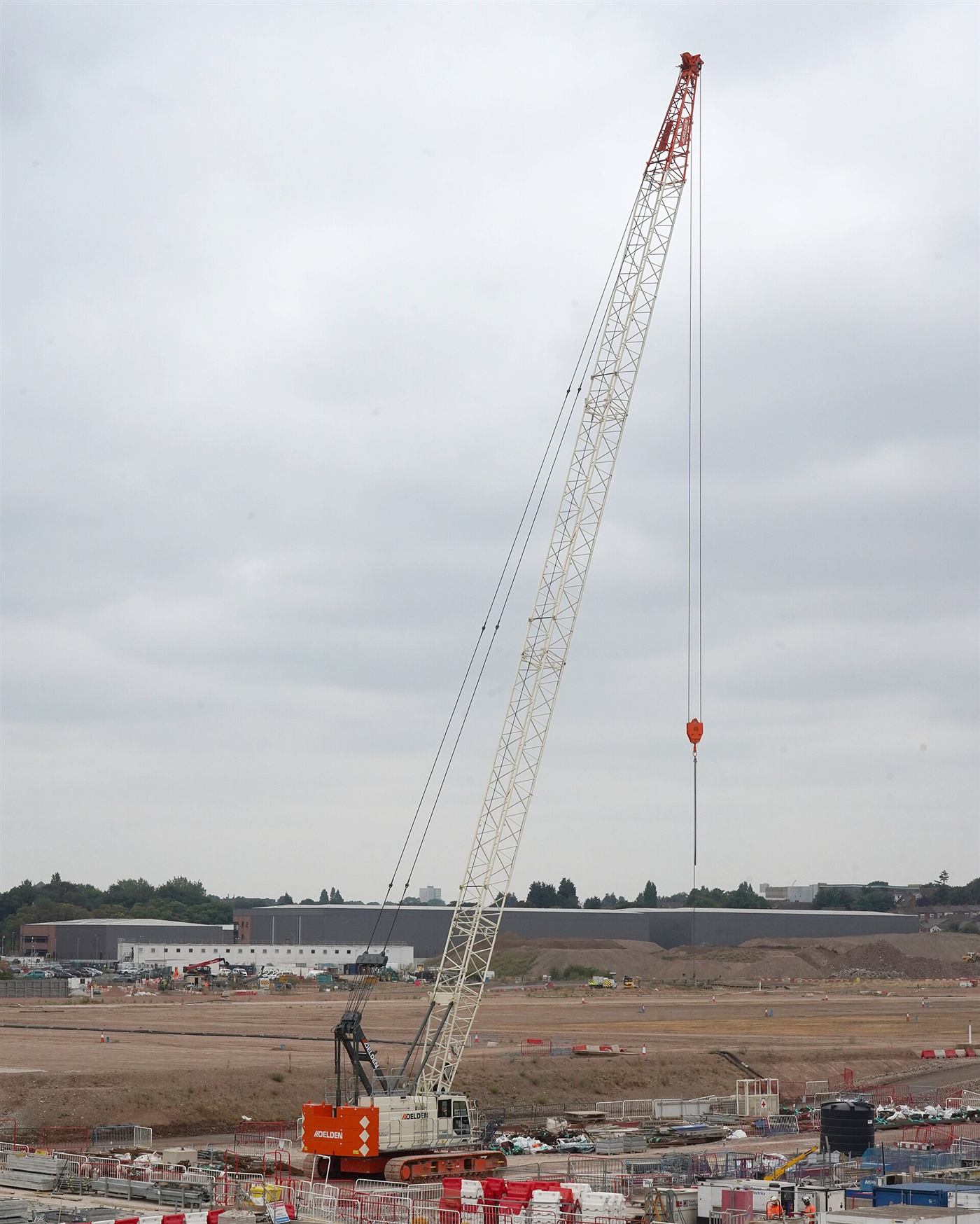
Tower crane / Mobile & crawler crane / Rigging, dogging & signalling / Excavator
See the industry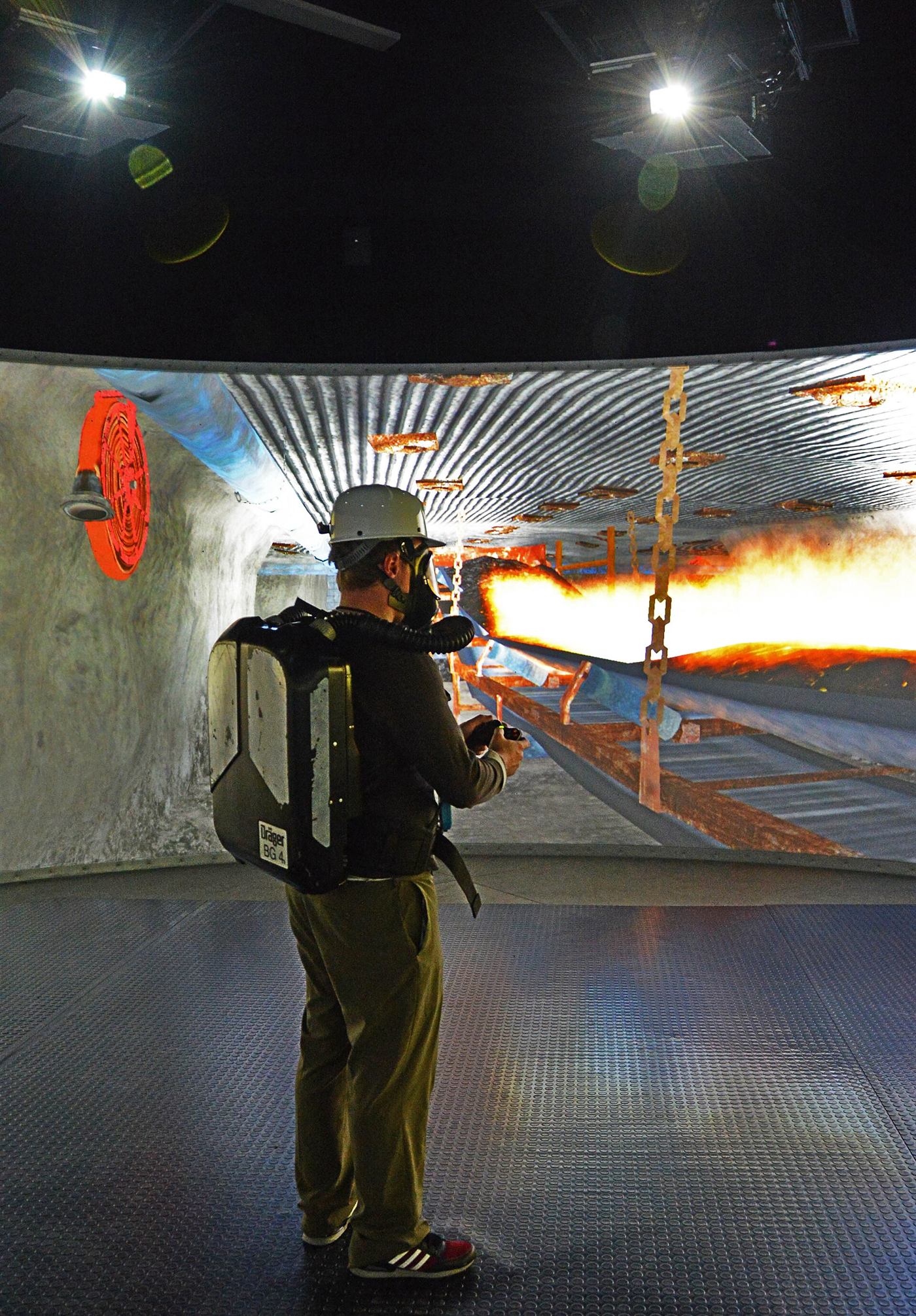
Mining & resources
Underground hazard awareness / Mine emergency & escape / Mine rescue team drills / Underground loaders & remote operation
See the industry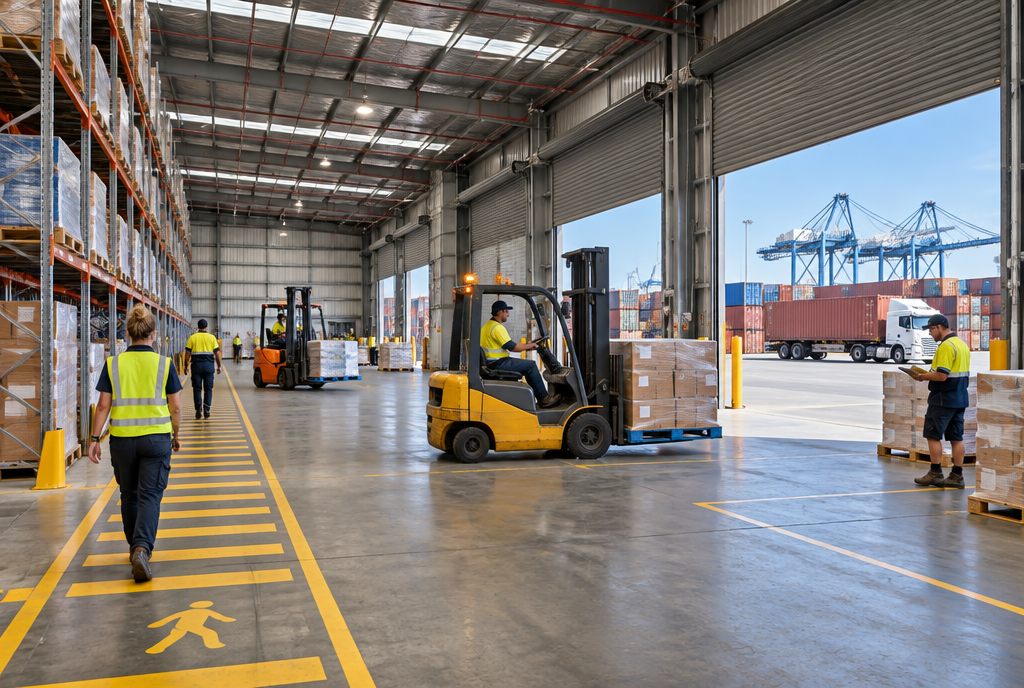
Logistics & manufacturing
Forklift & reach truck / Overhead & gantry crane / Port & container cranes / Isolation & lockout/tagout
See the industry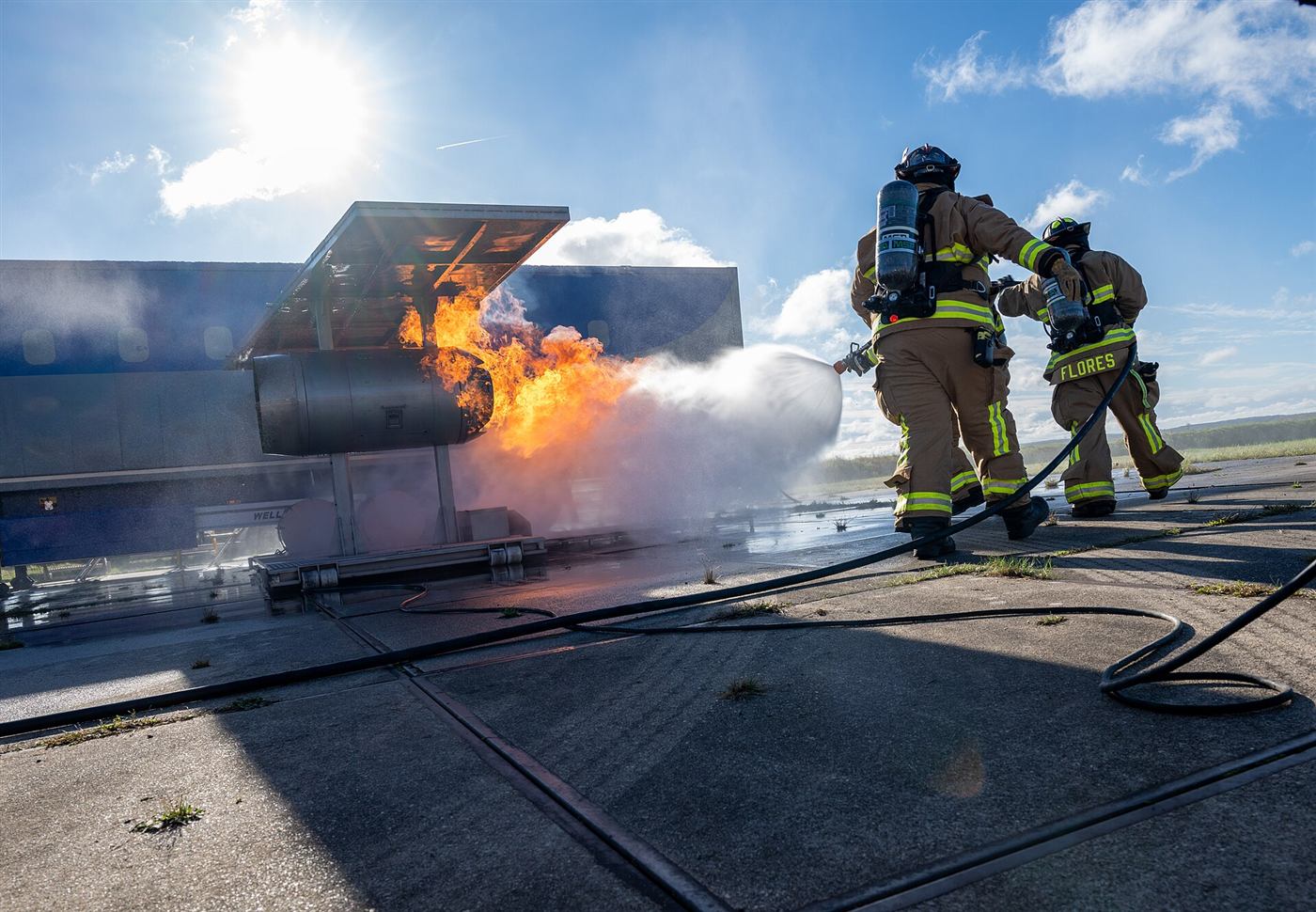
Fire & emergency
Fire alarm panel & fault-finding / Fire warden & evacuation / Fire extinguisher training / Hot work & fire watch
See the industry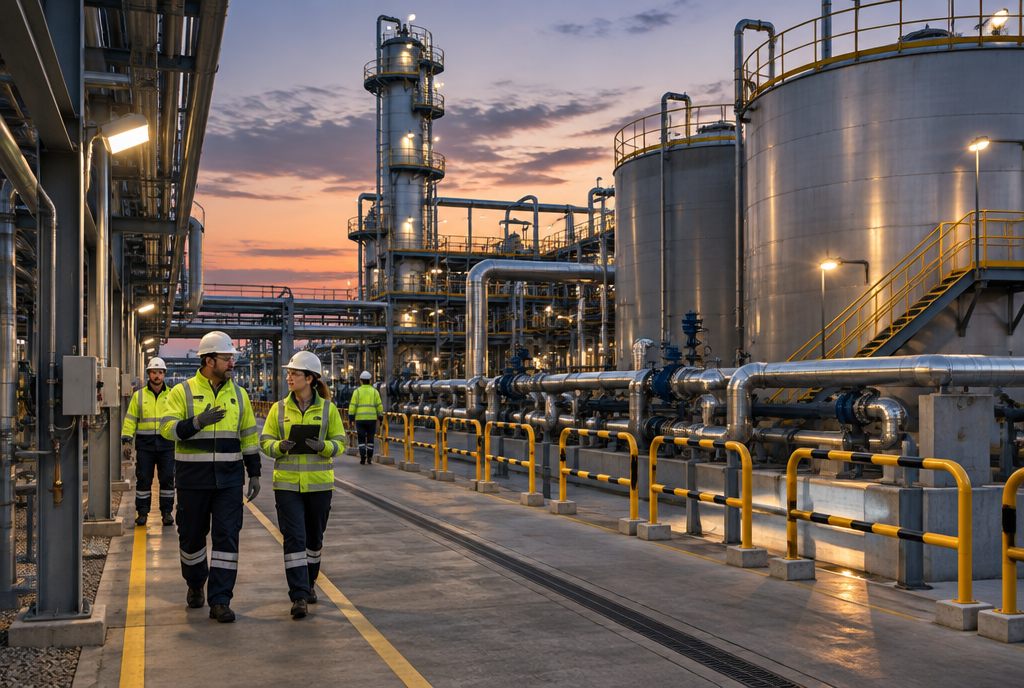
Energy & utilities
Power line & asset inspection / Flight fundamentals & emergencies / Confined-space & indoor flight / Confined space entry & rescue
See the industry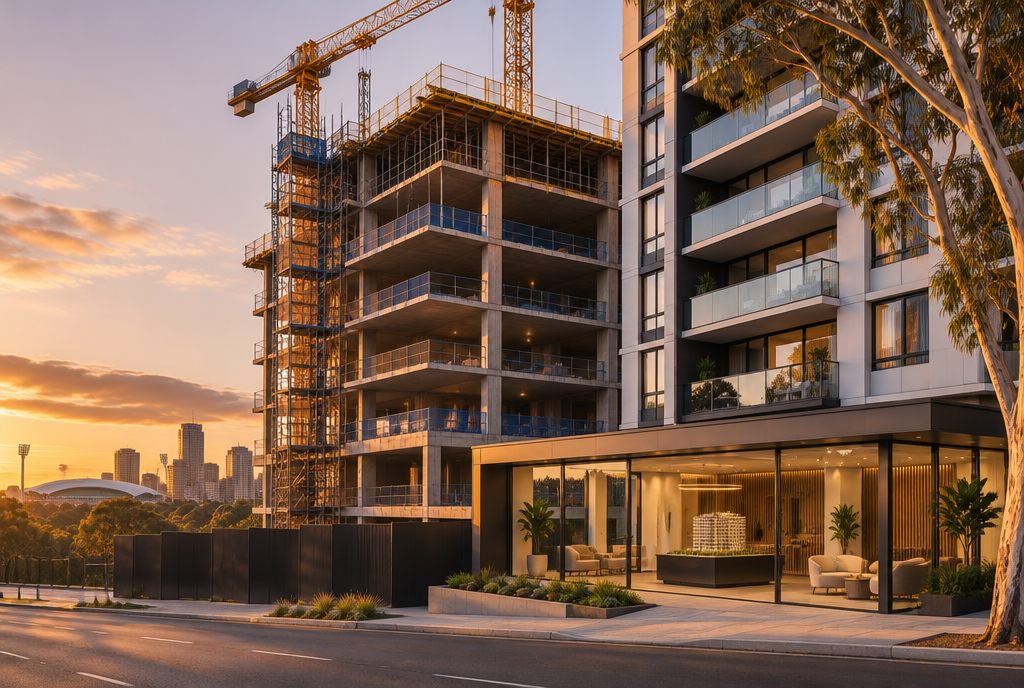
Property & real estate
Off-the-plan walkthroughs / Building operations twins / Remote property inspections
See the industryMore in custom training programs
Start with a scoping call
A 30-minute call to understand the problem, then a first outline with a timeline and estimate.
Start a projectFrequently asked questions
What makes a good VR training scenario?
A good VR training scenario recreates one realistic task, puts a consequential decision in front of the trainee, lets them get it wrong safely and shows them why it matters. It uses the trainee's own equipment and procedures, and it is scored on what they did, not on whether they reached the end.
How many scenarios does a program need?
Fewer than most people expect. A handful of well-chosen, high-consequence scenarios usually does more than a long catalogue.
Can trainees fail in a scenario?
Yes, and that's the point. Consequences play out so trainees see what a mistake causes, then they can retry straight away.
Can scenarios be updated later?
Yes. When a procedure changes or a new near-miss comes in, scenarios can be revised or added.