
Roof and rib inspection
Read the signs of failing ground: cracking, loose rock, broken mesh and loaded bolts.
A walk through your own drives and headings with the hazards placed where they really occur. Crews learn to read the ground, the barricades and the air before they go in.
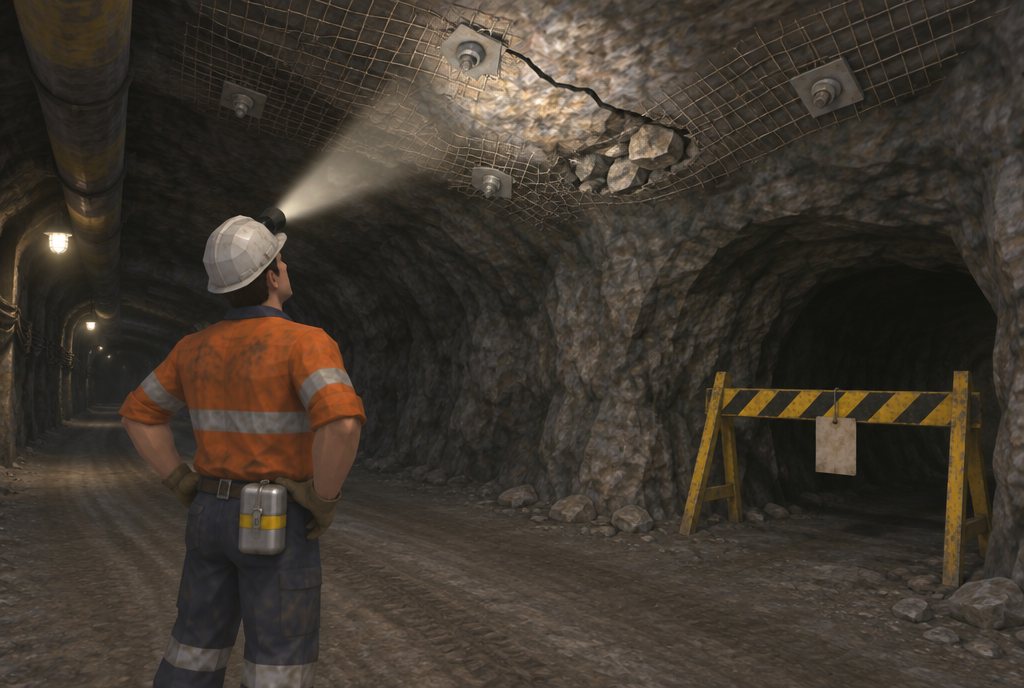
Underground hazard awareness training places workers in a model of their own mine, with hazards set where they occur for real: failing ground, missing barricades, poor ventilation and moving equipment. It runs in a VR headset, on training-room PCs or in a browser, and the instructor sees exactly what each trainee spotted and missed.
New underground workers have to learn what failing ground looks like before they've seen it. Classroom photos show the hazard, but not where to look or when to stop.
In simulation the hazard is in the place it would really be, in poor light, among everything else on the drive. Trainees learn to scan, not just to recognise.
Examples only. We rebuild each one around your site, equipment and procedures.
Read the signs of failing ground: cracking, loose rock, broken mesh and loaded bolts.
Find the barricade, read the tag and decide whether it's safe to go on.
Check the ventilation, the ground and the machine before walking in.
Every session can be scored against your own checklist and exported to your LMS or as PDF.
Each module follows your mine's own ground control, barricading and reporting procedures, so the induction matches what crews will be asked to do on shift.
The same underground hazard awareness scenarios can run on different hardware. We recommend a format in scoping, and many projects use more than one. Each links to the service that builds it.
Walk your own drives and headings at full scale.
Standalone headset · Works offlineVR training apps Web & mobile 3DWorks wellThe same mine in a browser for contractors and visitors before they arrive.
Any browser · SCORM / xAPIDesktop & web 3D Desktop simulatorWorks wellTraining-room PCs when headsets aren't practical.
PC or laptop · Desk-mounted controlsDesktop & portable simulators Digital twinAlso possibleBuilt from your survey or scan data and kept current as the mine advances.
Cameras · Sensors · IoTSites with cameras, sensors & IoT Multi-user VRAlso possibleSupervisor-led walks with a group in the same mine.
Networked headsets · Instructor viewMulti-user VR drills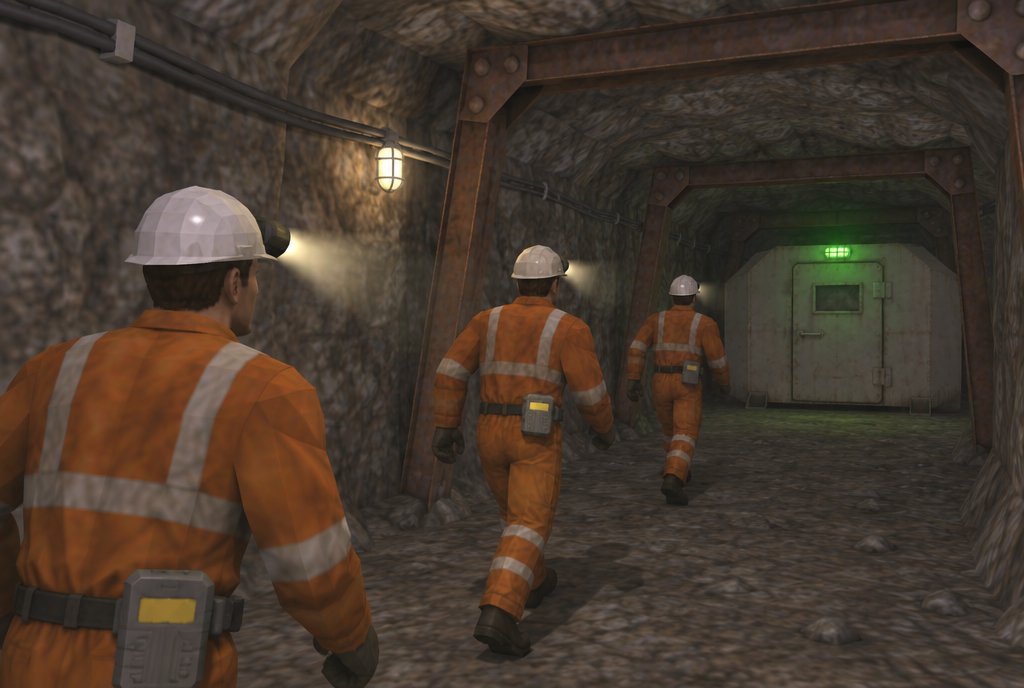
Belt fires, smoke and gas, timed self-rescuer donning and the walk to the refuge.
See the example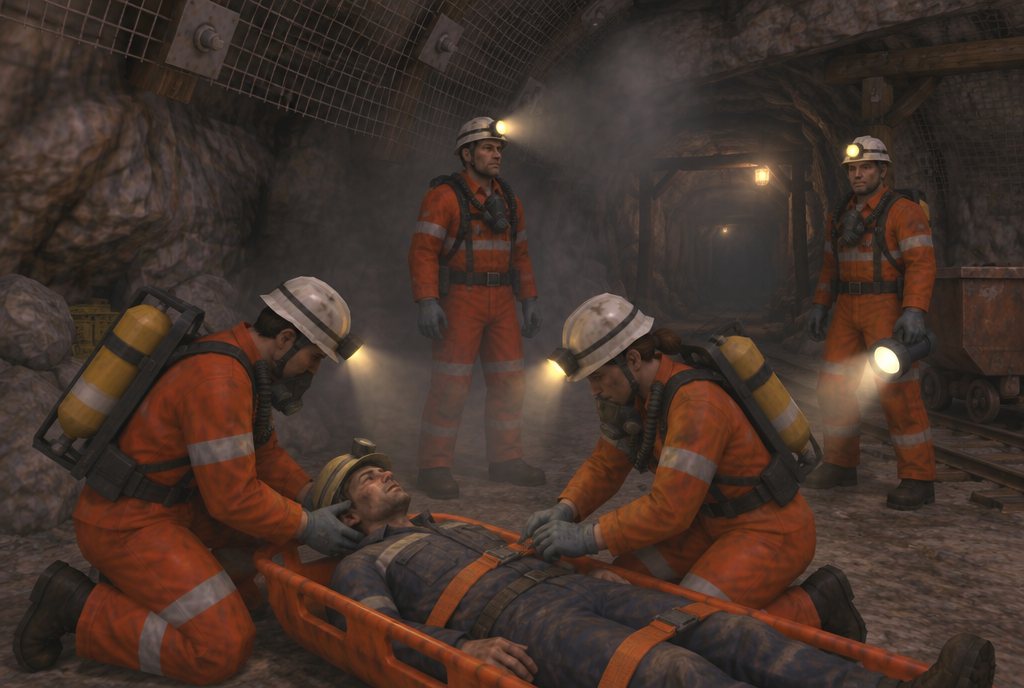
Team searches, casualties and communication in smoke, in multi-user VR.
See the example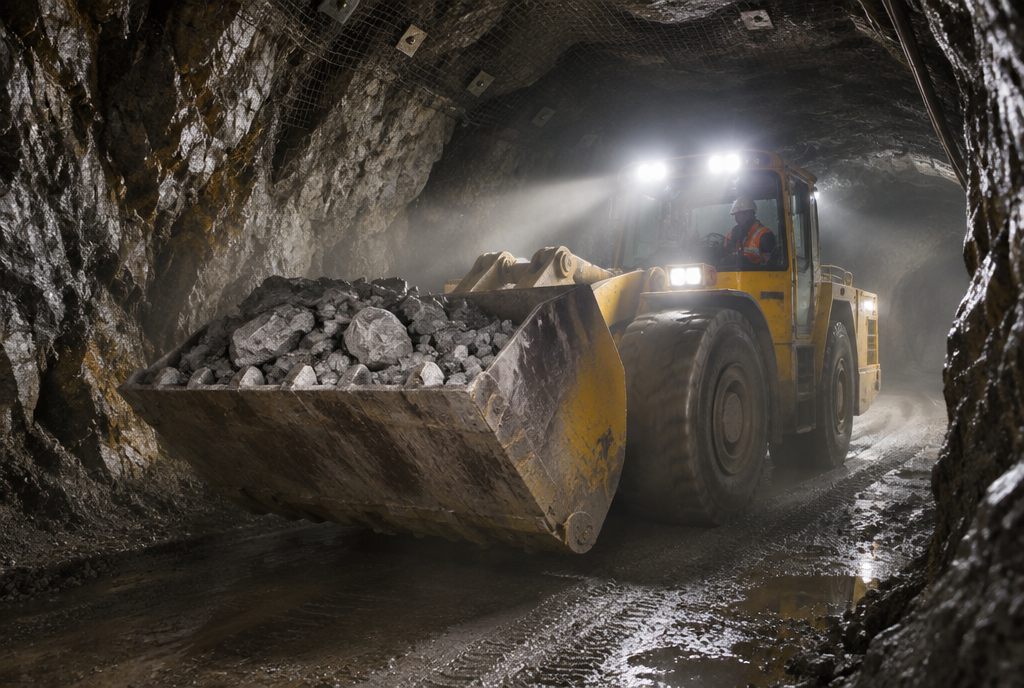
Loaders, tele-remote bogging and continuous miners, with red zones scored.
See the example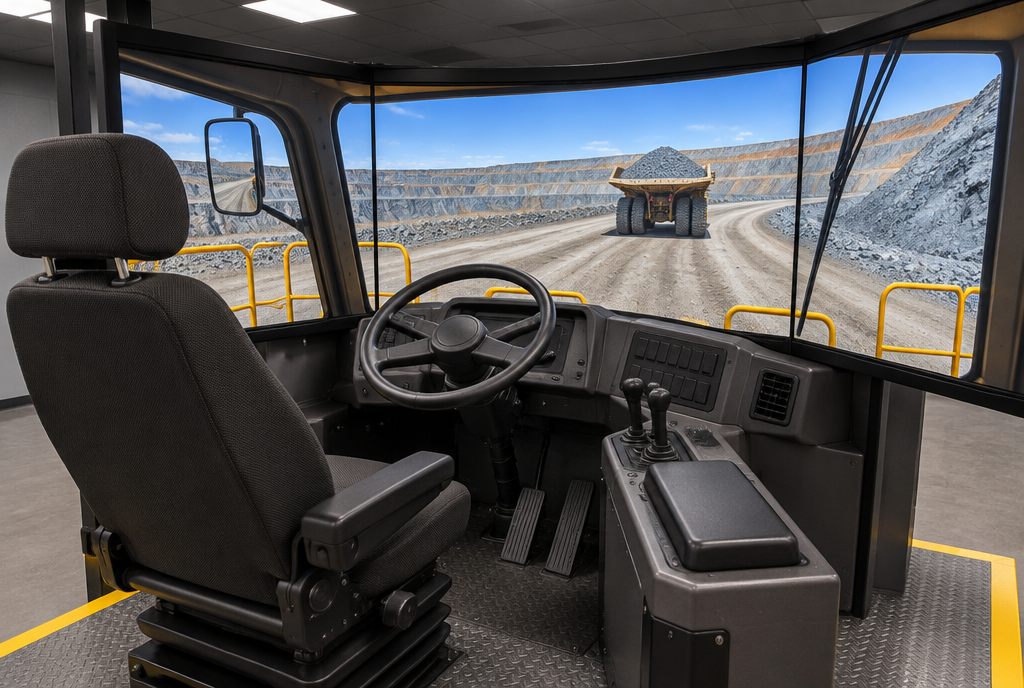
Blind spots, light vehicles, ramps and the dump edge on a model of your pit.
See the example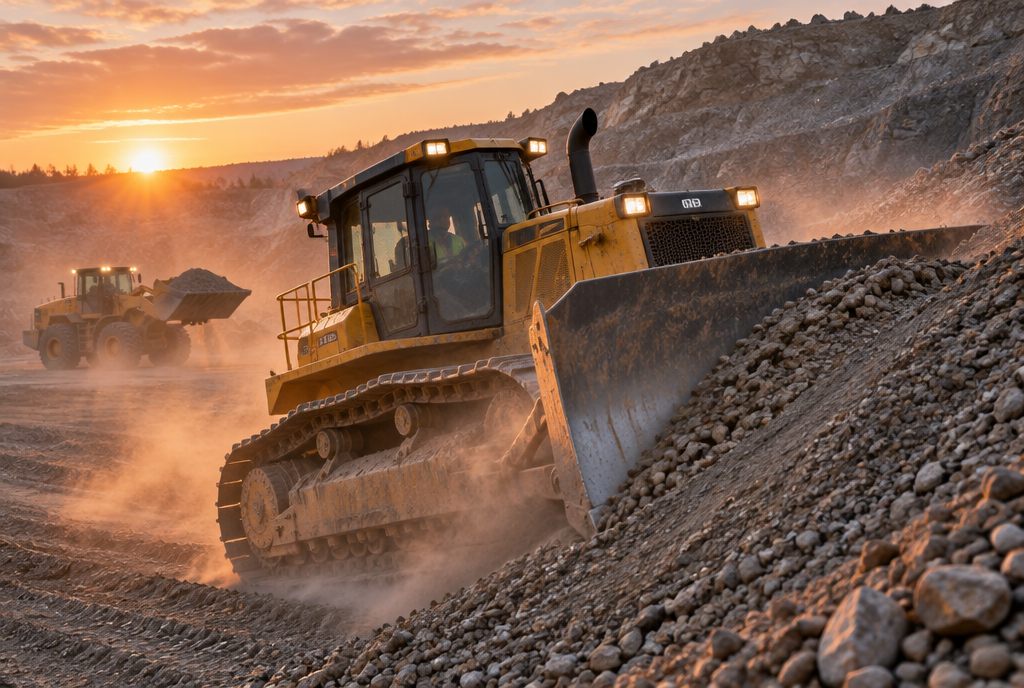
Stockpiles, truck loading, slopes and edges on a seat that moves with the machine.
See the exampleA first call about what your people face, then an outline of the scenarios, the format and the scoring we would build.
Start a projectUnderground hazard awareness training places workers in a model of their own mine, with hazards set where they occur for real: failing ground, missing barricades, poor ventilation and moving equipment. It runs in a VR headset, on training-room PCs or in a browser, and the instructor sees exactly what each trainee spotted and missed.
Yes. A short hazard walk in VR is a common first step in an underground induction, before the trainee goes down.
Yes. We build the ground support, equipment and procedures of your own operation, whichever it is.
Yes. A browser version can run on a laptop, so contractors can complete it before their first day.