
Single-user scenarios
Focused training on one task or emergency, run anywhere on a standalone headset.
VR & XR development
We design and build virtual and mixed reality training for your tasks, your machines and your site. From one focused VR scenario to a crew drill, or virtual hazards placed on your real equipment, on standalone headsets, PCs or a browser.
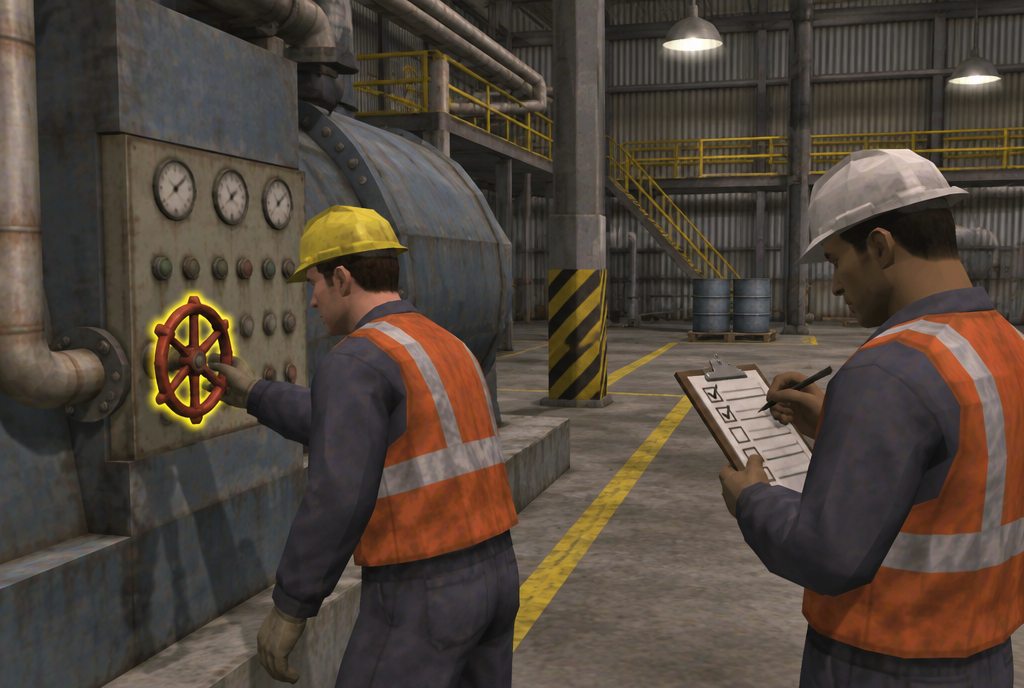
Custom VR training development is the design and programming of a virtual reality application built for one organisation's tasks, equipment and procedures. Instead of licensing a generic course, the client gets scenarios set in a 3D model of their own workplace, scored against their own standards.
Off-the-shelf VR works for generic skills. High-risk work isn't generic: the crane, the panel, the permit and the escape route are all specific to your site, and trainees notice when they're not.
We build from your drawings, scans, photos and procedures, so what trainees rehearse in the headset is what they'll find on shift.
Pick one or combine them. Each is scoped to your site, people and procedures.
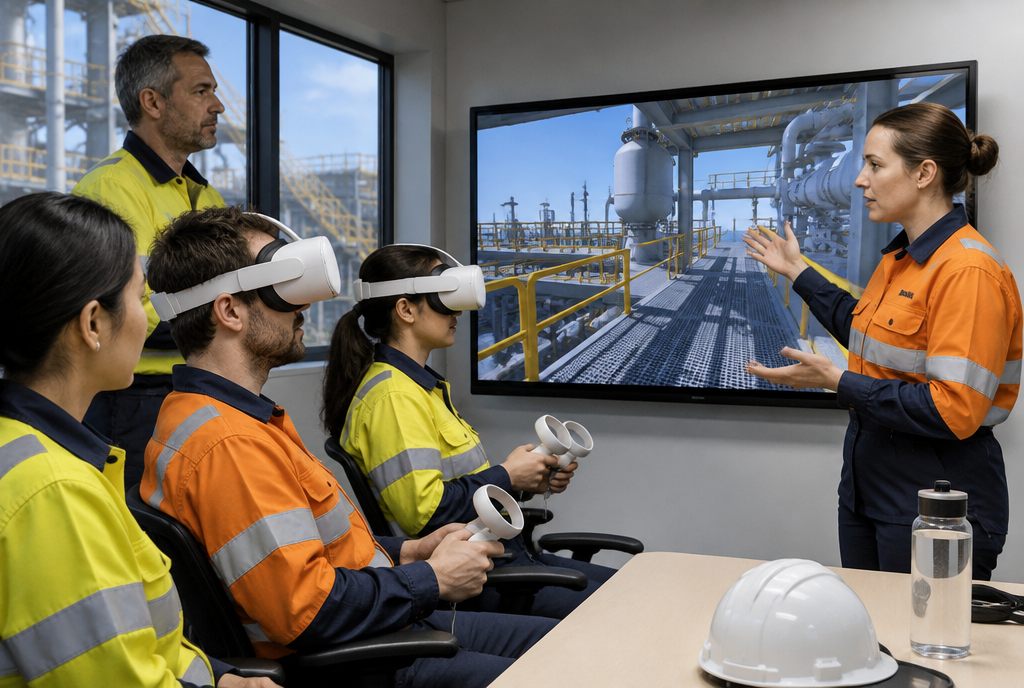
One task or emergency, on your site, scored to your procedure.
Learn more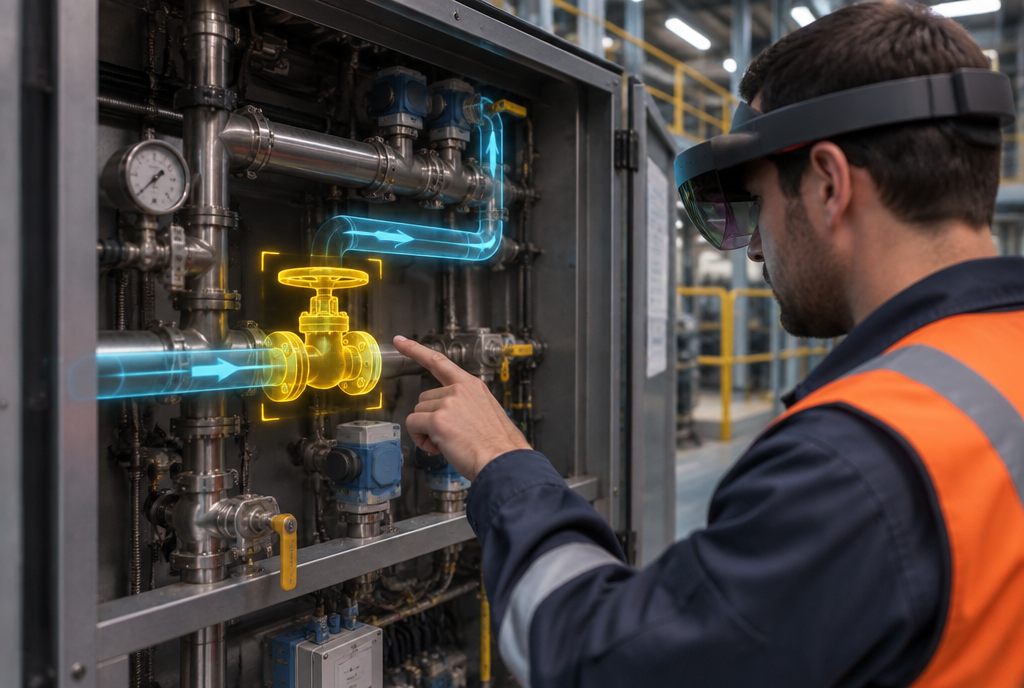
Virtual hazards on real equipment, with passthrough headsets.
Learn more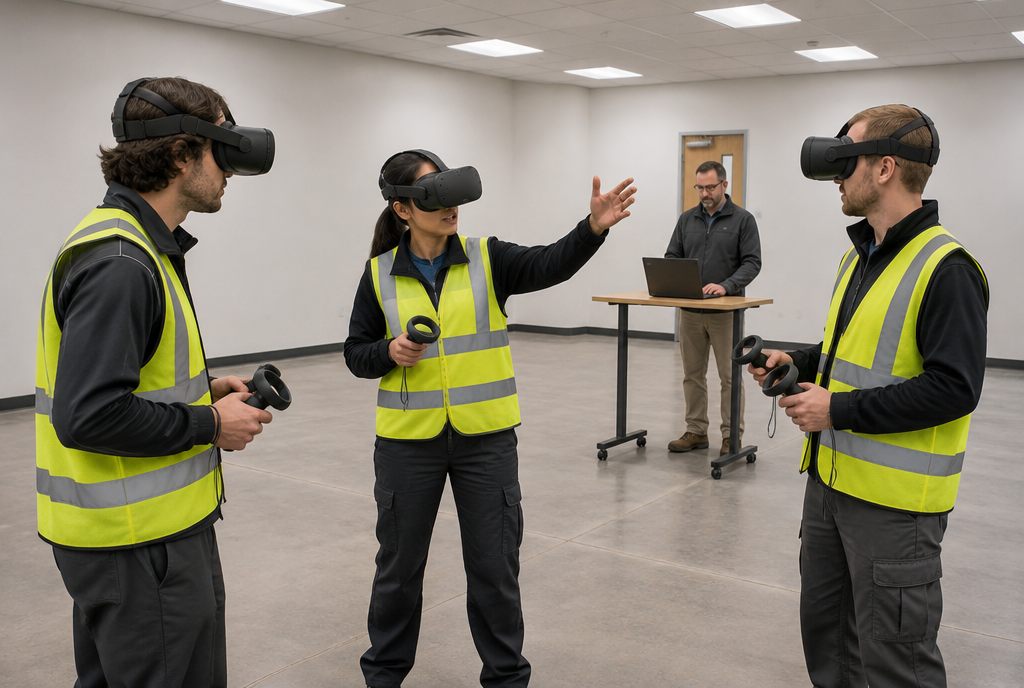
Whole crews in one scene, practising how they communicate.
Learn more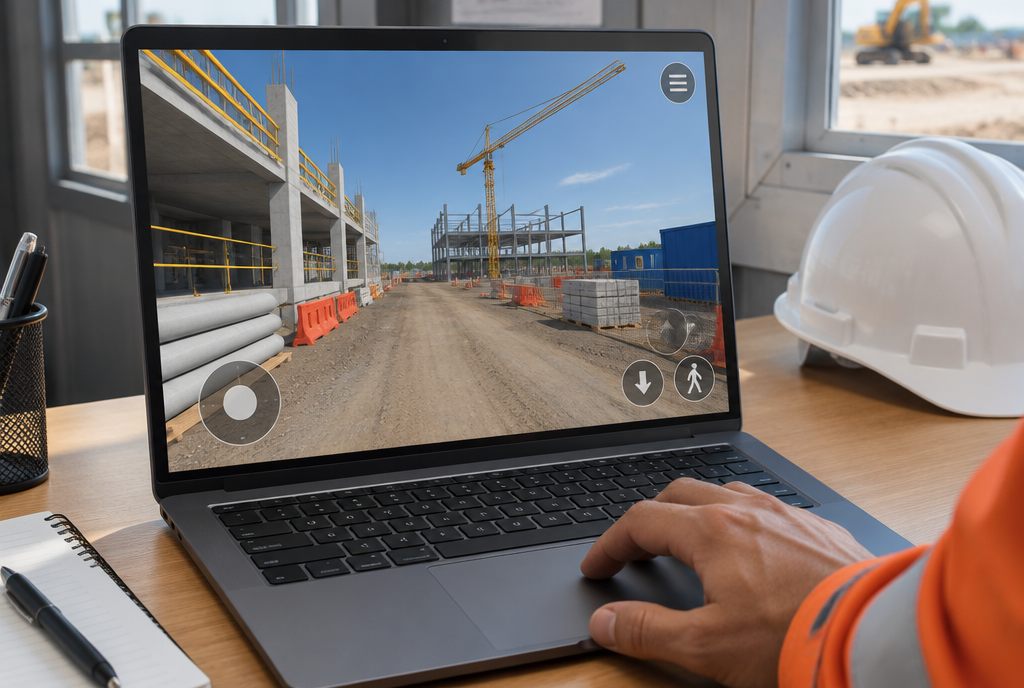
The same scenario on a laptop, tablet or browser.
Learn more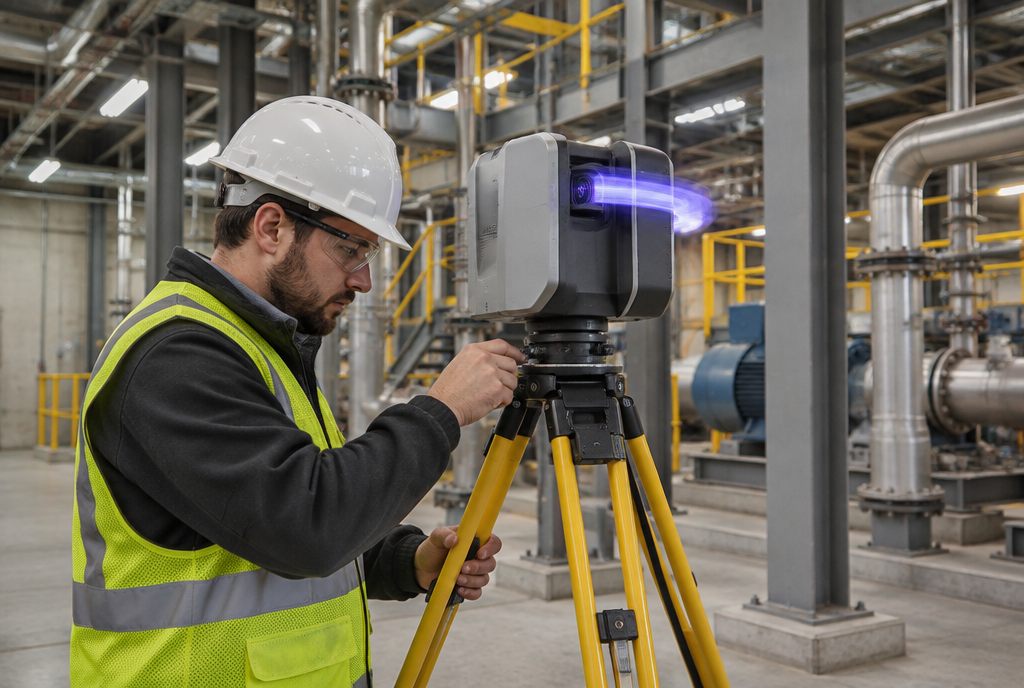
Sites and machines rebuilt from CAD, scans and drone surveys.
Learn moreThe parts of a typical VR & XR development project. We include what your project needs and leave out what it doesn't.
Focused training on one task or emergency, run anywhere on a standalone headset.
Crews train together in one scene: operator, dogman, warden, rescue team.
The same scenario on a laptop or browser for people without a headset.
Sites and machines rebuilt from CAD, laser scans, drone surveys or photos.
Hand-held actions from pulling an extinguisher pin to applying an isolation lock.
Runs at remote sites with no network and syncs records later.
Pick your industry to see examples, and the formats each one can be built in. All industries
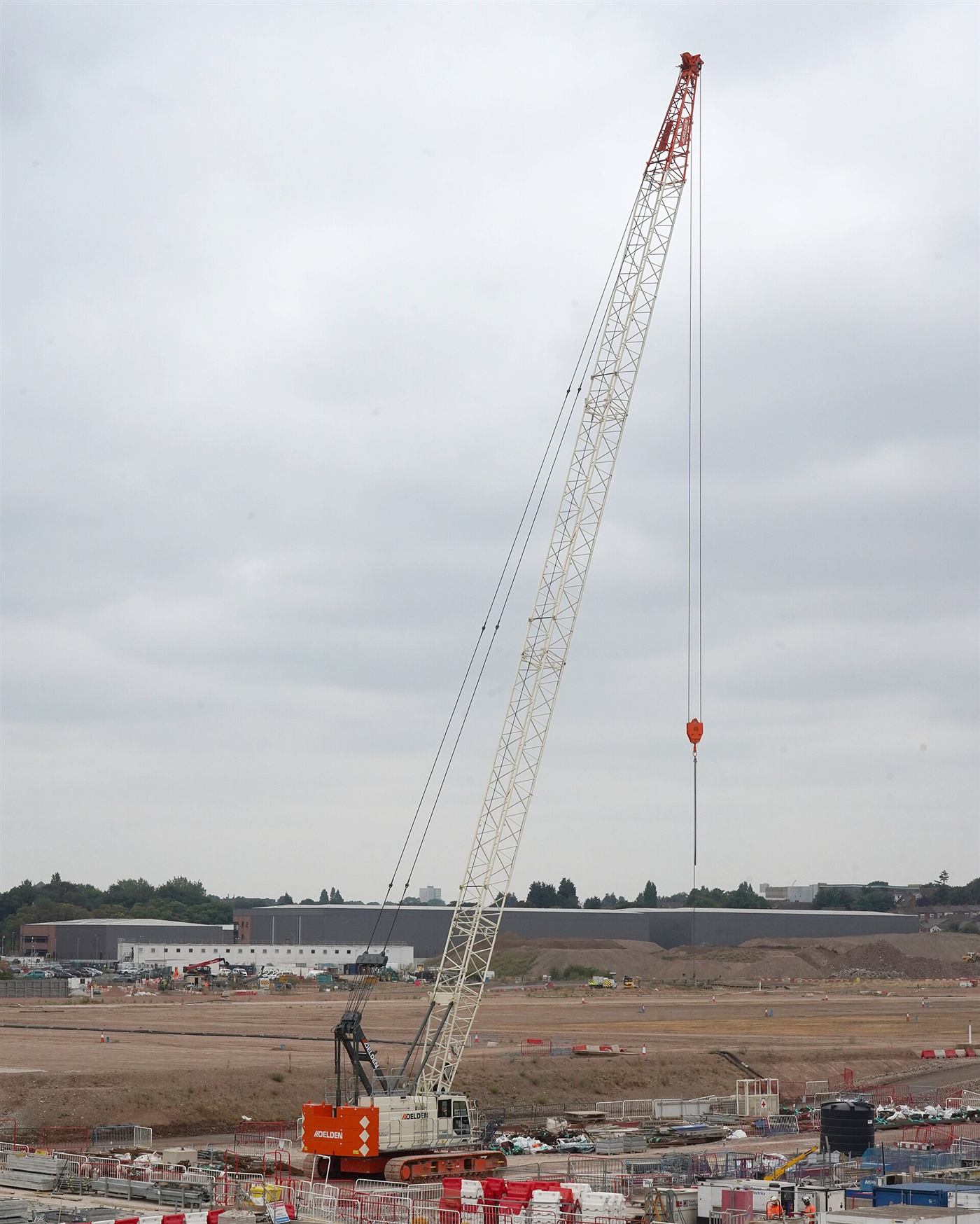
Tower crane / Mobile & crawler crane / Rigging, dogging & signalling / Excavator
See the industry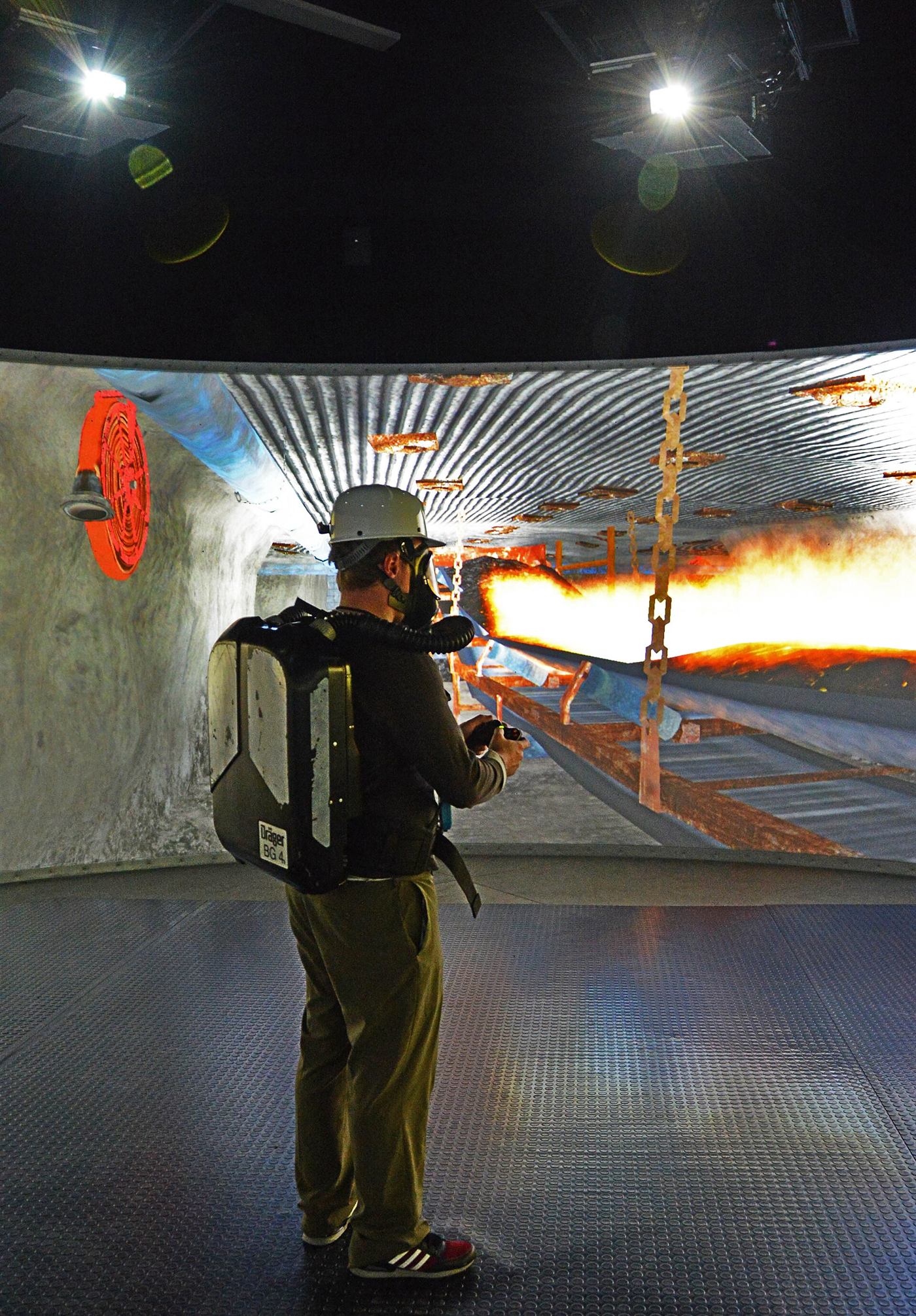
Underground hazard awareness / Mine emergency & escape / Mine rescue team drills / Underground loaders & remote operation
See the industry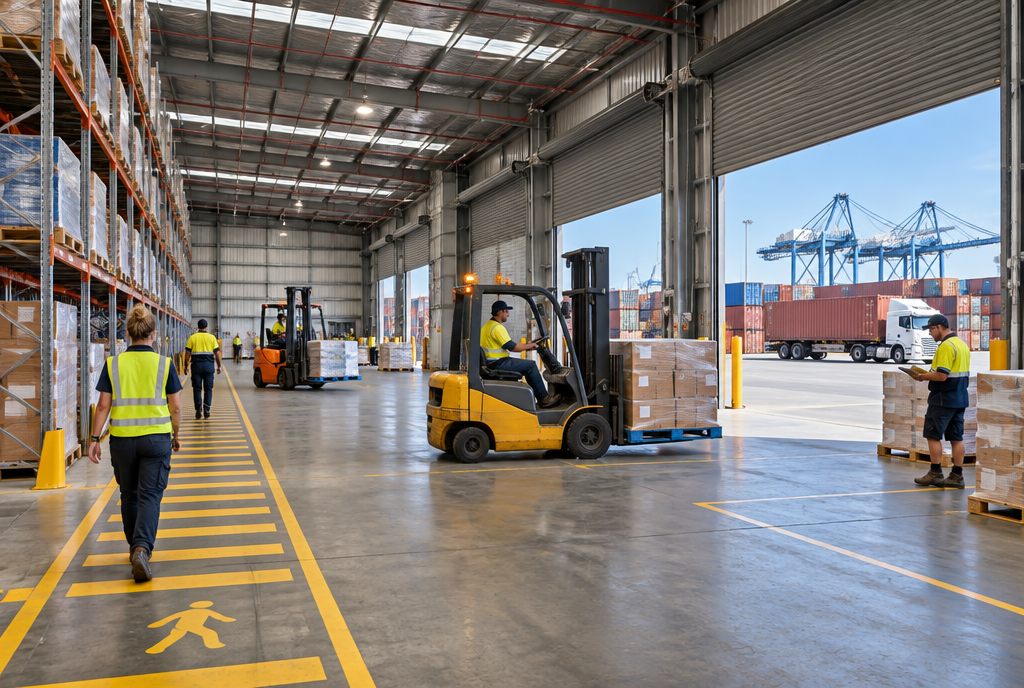
Forklift & reach truck / Overhead & gantry crane / Port & container cranes / Isolation & lockout/tagout
See the industry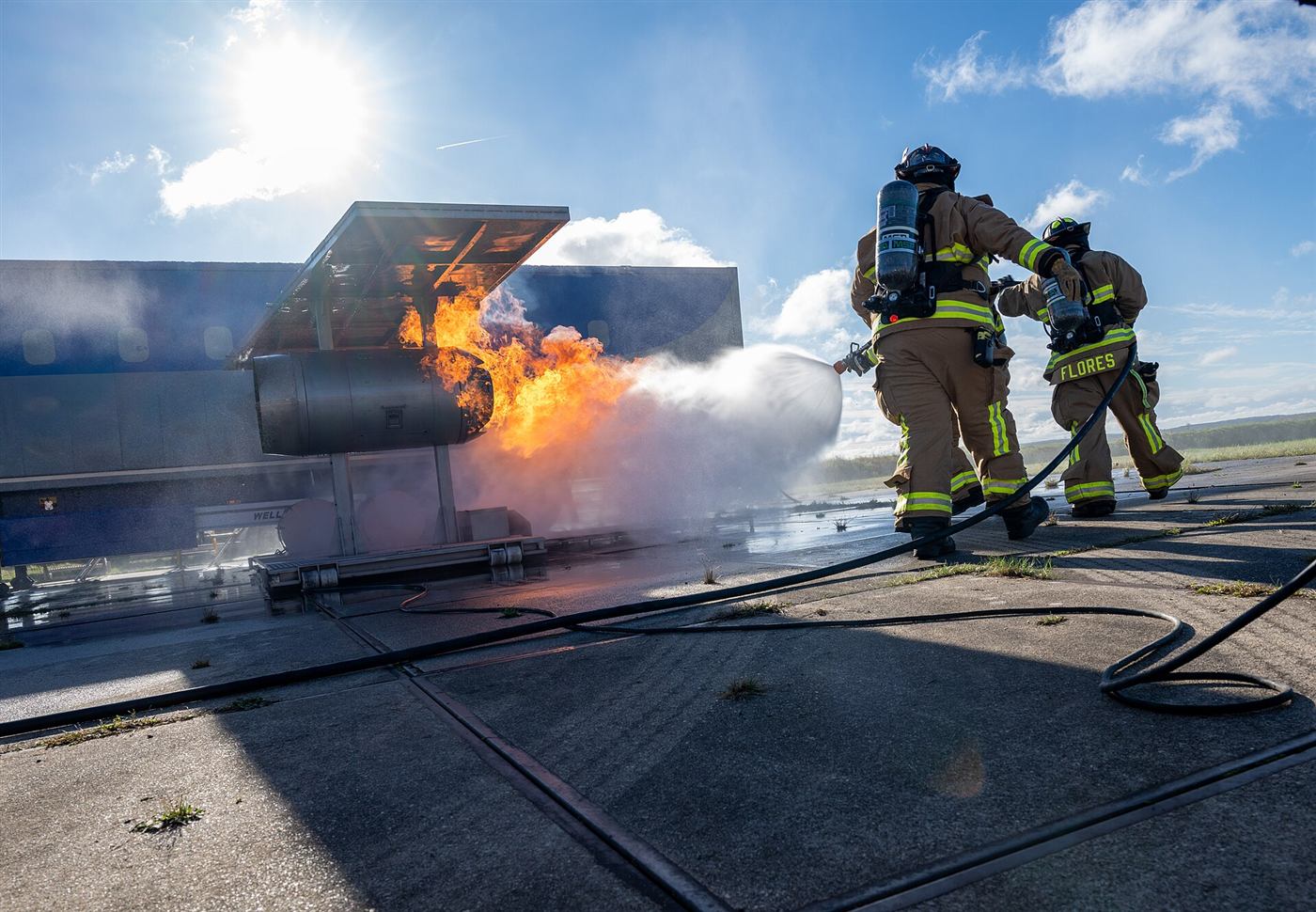
Fire alarm panel & fault-finding / Fire warden & evacuation / Fire extinguisher training / Hot work & fire watch
See the industry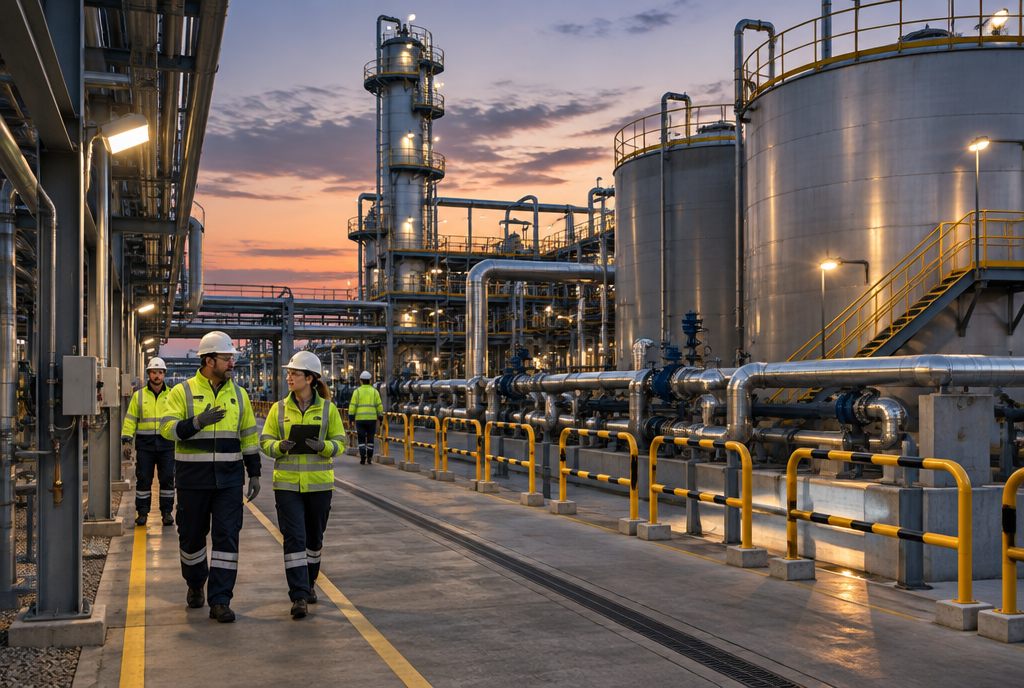
Power line & asset inspection / Flight fundamentals & emergencies / Confined-space & indoor flight / Confined space entry & rescue
See the industry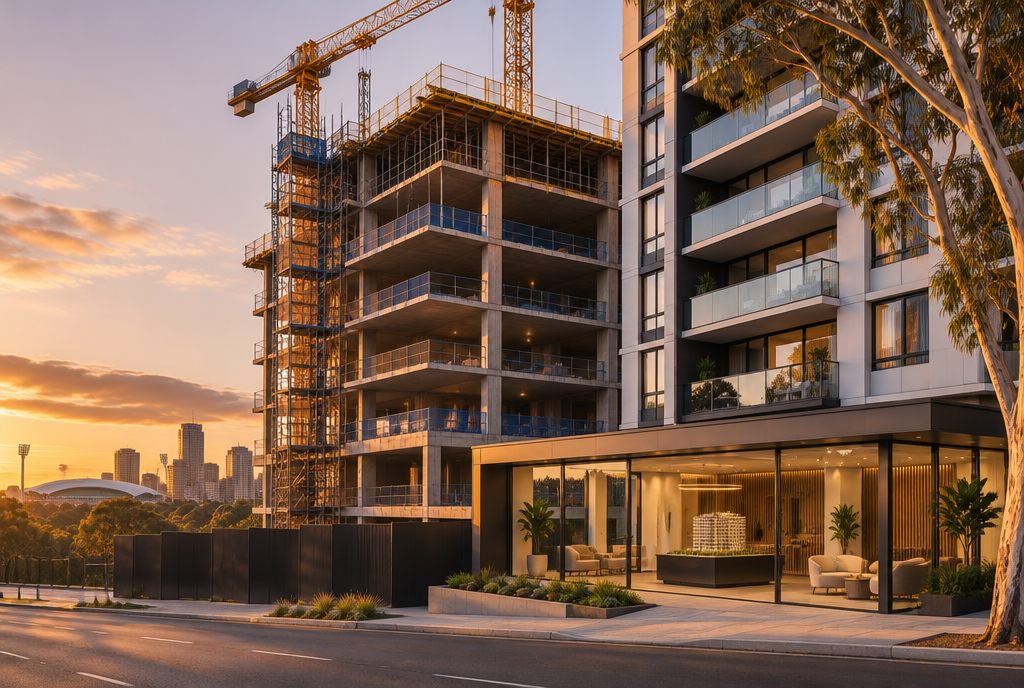
Off-the-plan walkthroughs / Building operations twins / Remote property inspections
See the industryFrom our industry pages. Each one is rebuilt around your own site, machines and procedures.
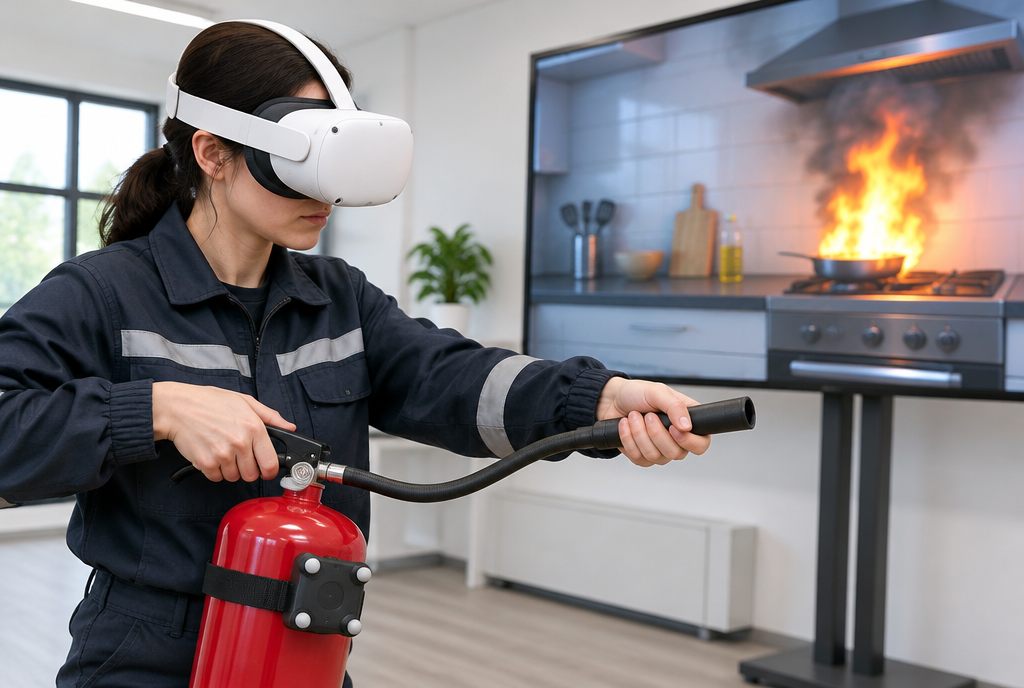
Choose by fire class, use it properly and know when to walk away.
Fire & emergency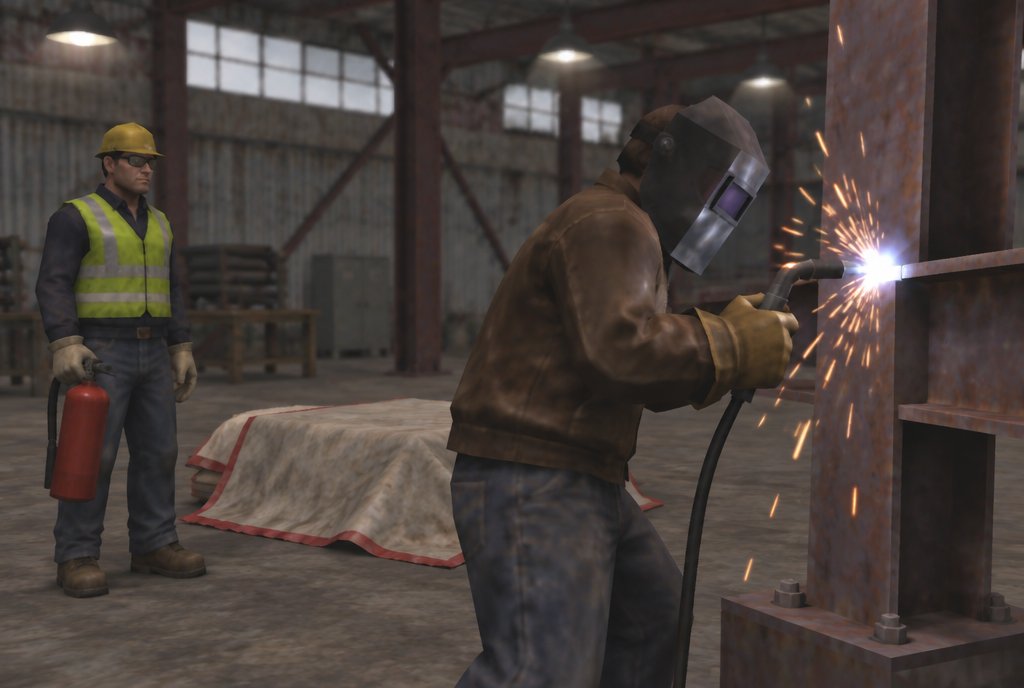
Permits, area preparation, sparks through gaps and the fire after the job.
Fire & emergency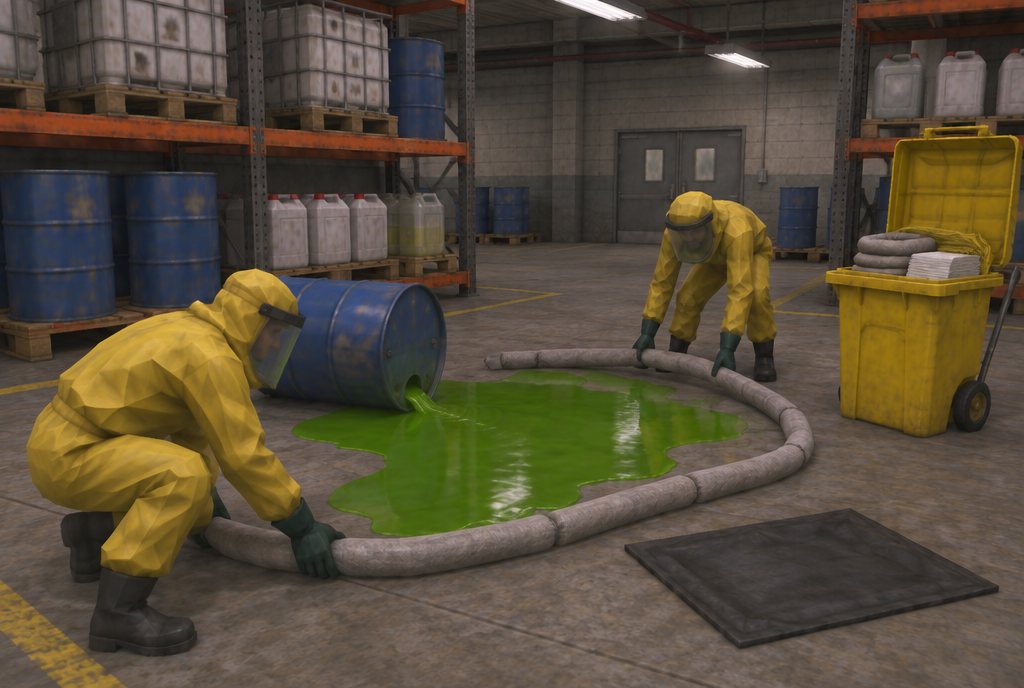
Safety data sheets, PPE, containment and decontamination.
Logistics & manufacturing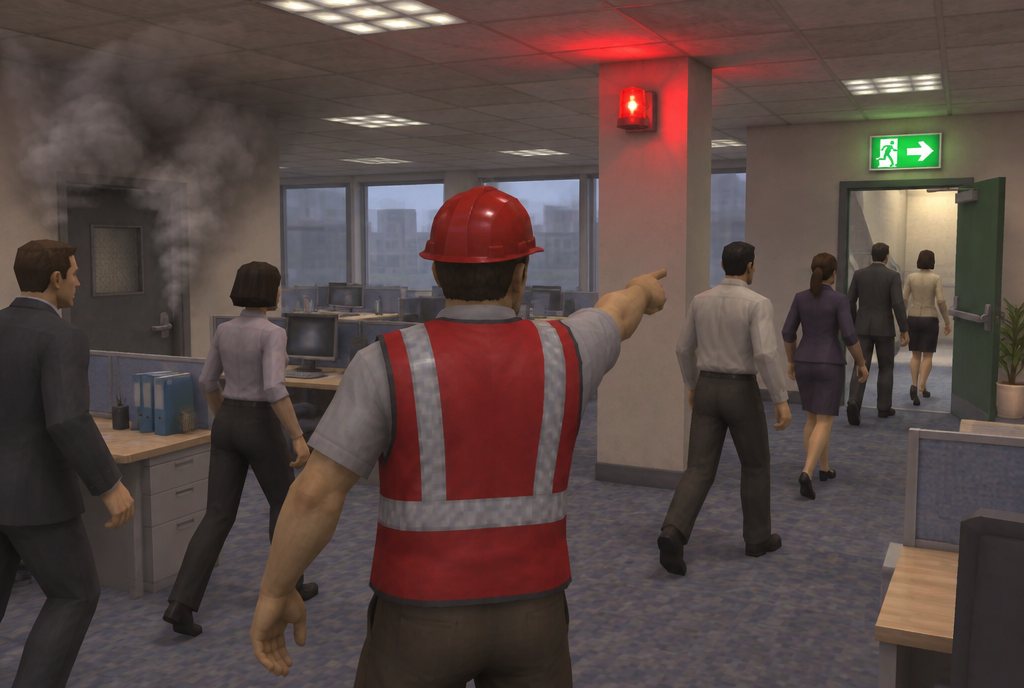
Evacuations with a blocked stair, people who need help and the headcount.
Fire & emergency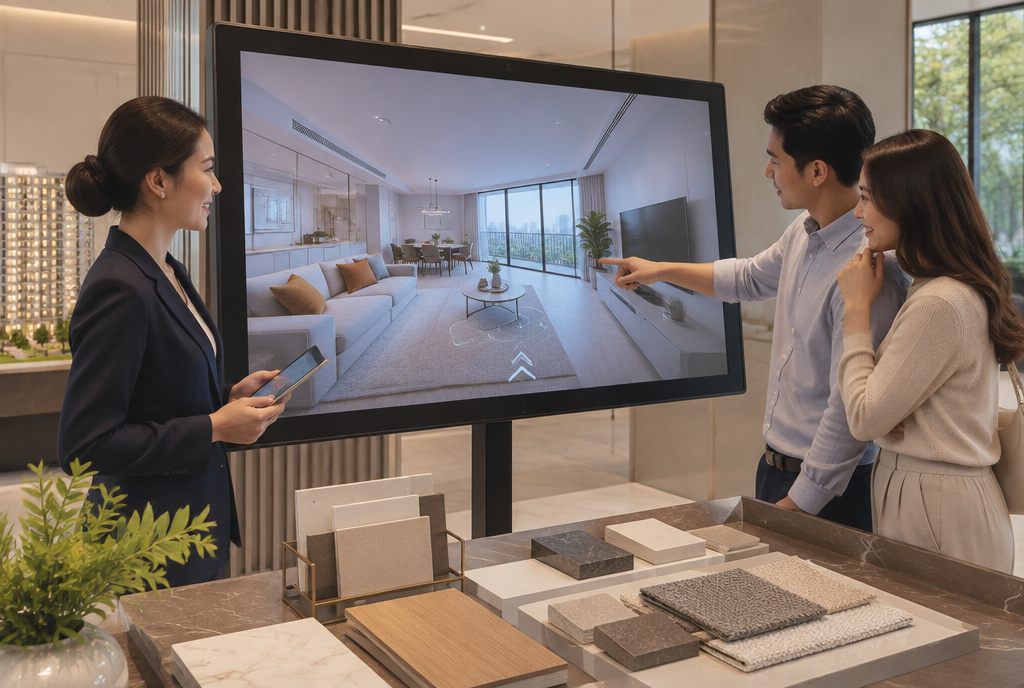
Walk an unbuilt apartment from the plans: web, VR or display suite.
Property & real estate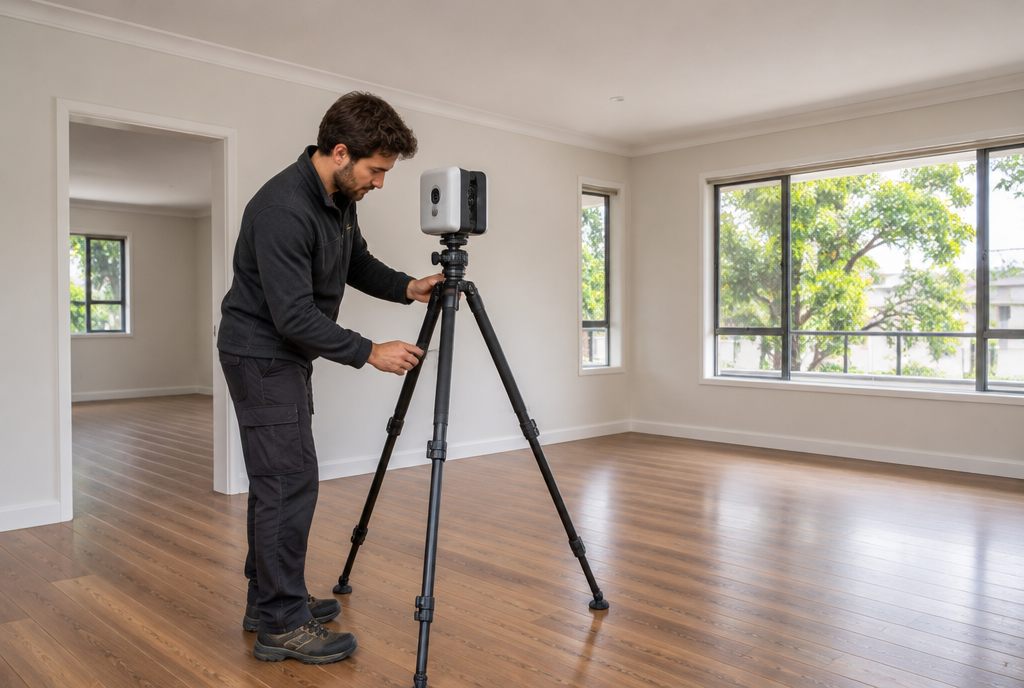
Dated 3D scans, cameras and sensors instead of the drive.
Property & real estateFrom the first call to rollout, with a pilot before anything scales.
Step 1
A call and a site visit or workshop to agree the problem, the users and how we'll measure success.
Step 2
Training needs analysis, storyboards, hardware choices and data sources, signed off before we build.
Step 3
3D models, software, hardware and integrations, reviewed with your experts as we go.
Step 4
One crew or one site uses it while we tune scoring, alerts and usability.
Ongoing
Installed at your sites, your people trained, then updated as your site changes.
Tell us what you need to train, monitor or show. We reply within two working days with a first outline.
Start a projectCustom VR training development is the design and programming of a virtual reality application built for one organisation's tasks, equipment and procedures. Instead of licensing a generic course, the client gets scenarios set in a 3D model of their own workplace, scored against their own standards.
Standalone headsets such as Meta Quest and Pico, PC-tethered VR, and desktop or browser versions where a headset isn't practical. We recommend hardware during scoping.
A single focused scenario can take weeks; a multi-user program with custom 3D models takes months. We give a timeline after scoping.
Yes. Existing CAD, BIM, point clouds and photogrammetry can all be used, which often shortens the build.
We design for comfort: seated or standing experiences, teleport movement, fixed horizons and short sessions. Trainees who struggle can use the desktop version.