
Training needs analysis
We review your incidents, procedures and competency framework with your safety and training leads.
Custom training programs
We don't sell a catalogue of courses. We start from your incidents, your procedures and your competency list, then design the scenarios, scoring and records your crews and auditors need, and pick the format that fits each task: simulator, VR, mixed reality, desktop or web.
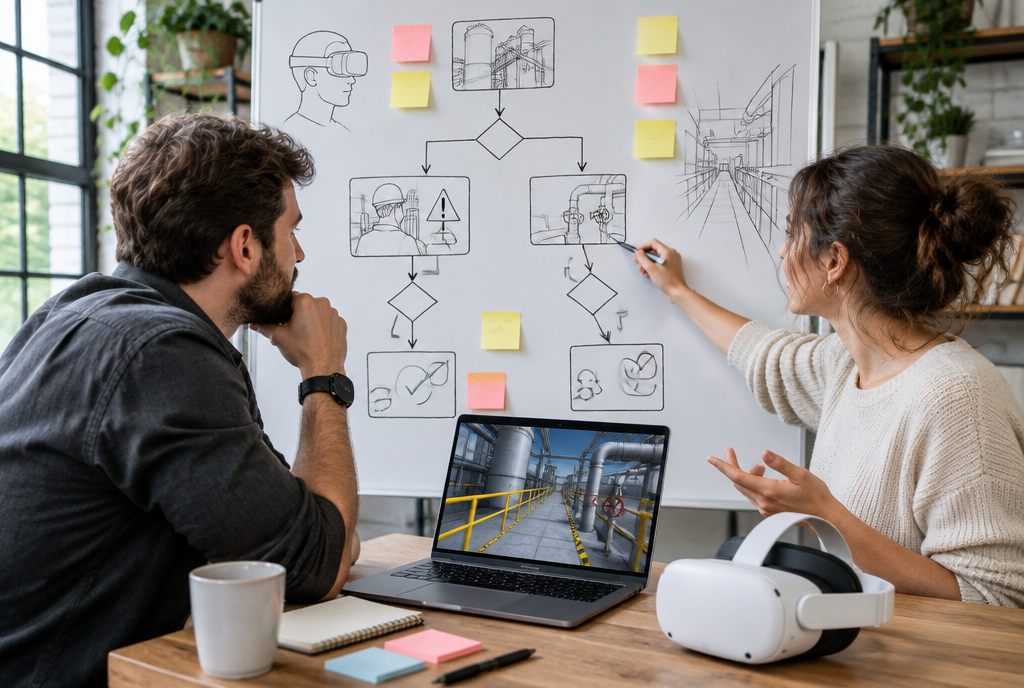
Custom training program development means designing training from a company's own risks, procedures and competency standards instead of buying a generic course. Voxelane analyses what crews need to do, designs scenarios that rehearse those tasks in VR or on a simulator, sets the scoring against the client's competencies, and connects the records to their learning system.
Generic courses teach generic sites. When the machine, the permit form or the evacuation route is different from what crews see at work, the training doesn't transfer and auditors can't trace it back to your risk register.
A custom program begins with your near-miss reports, procedures and assessors. Every scenario earns its place by rehearsing a task that matters on your site, and every score maps to a competency you already hold people to.
Pick one or combine them. Each is scoped to your site, people and procedures.
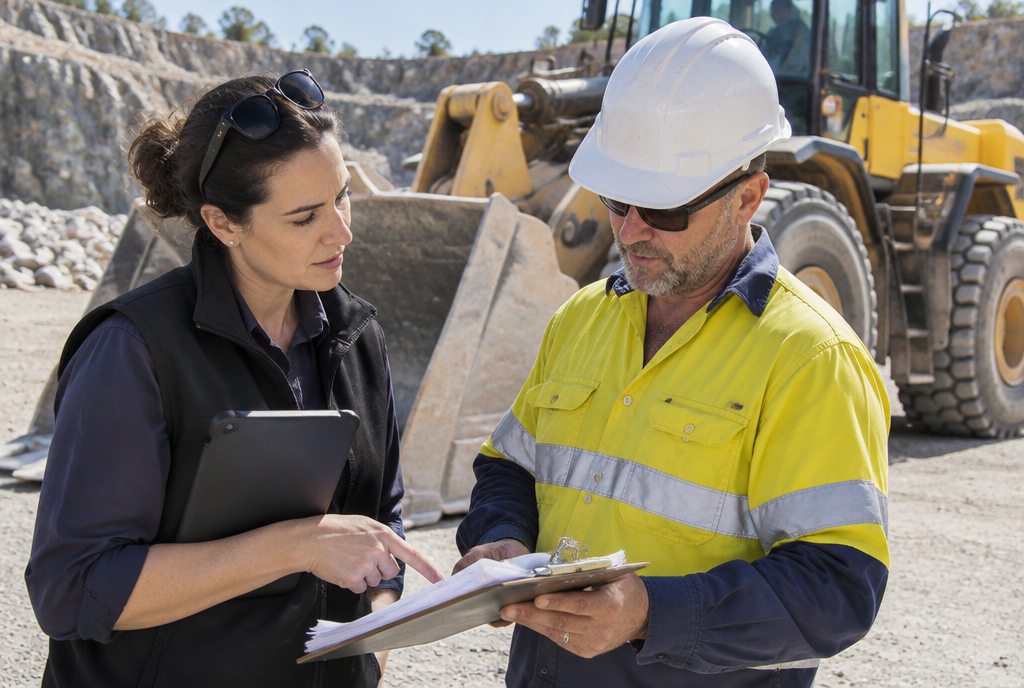
Find the tasks that matter before a single scenario is built.
Learn more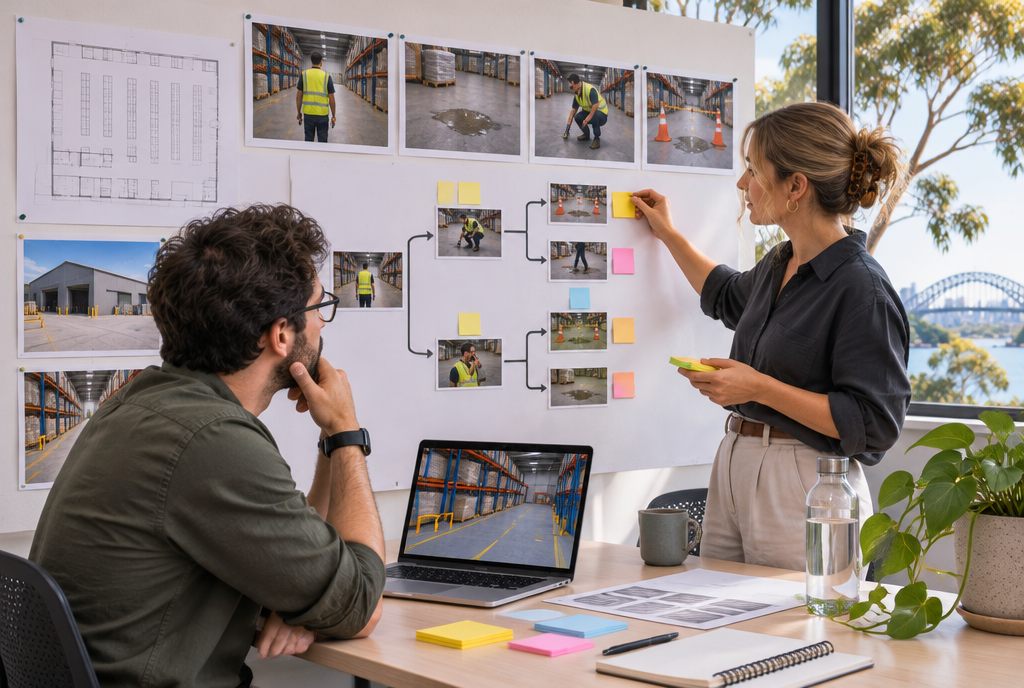
Branching scenarios around the decisions that lead to incidents.
Learn more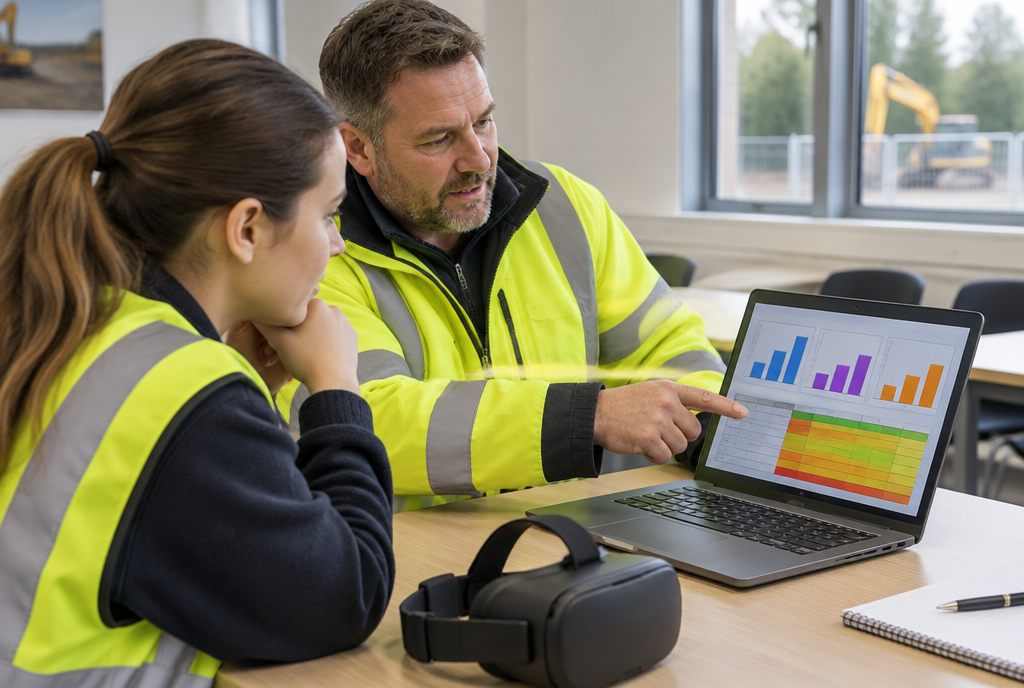
Scoring set with your assessors, records sent to your LMS.
Learn more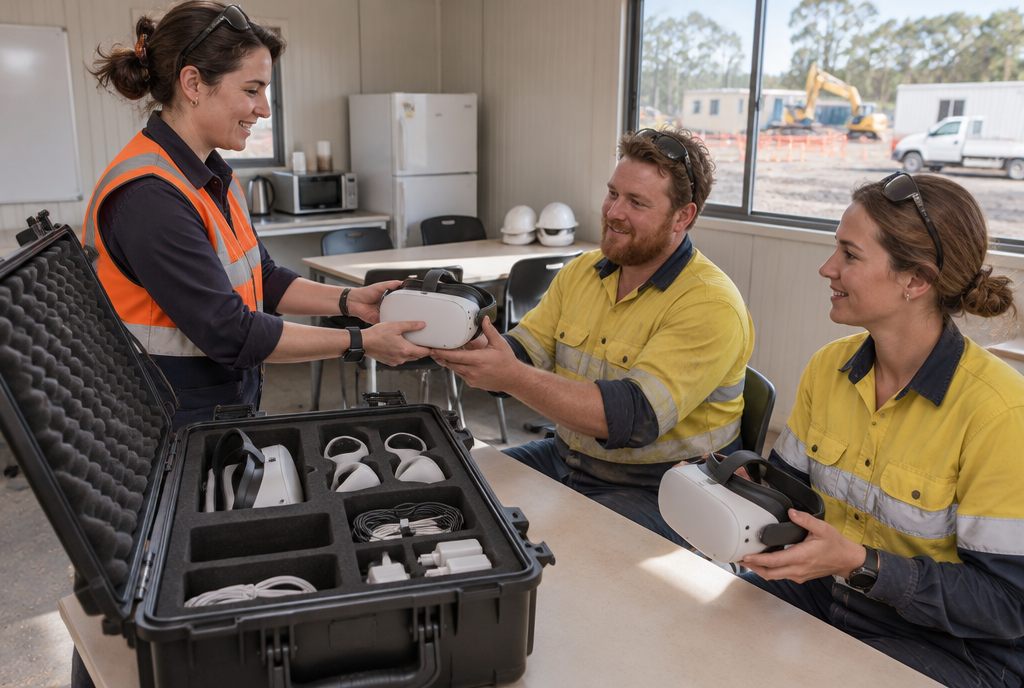
Pilot, install, train your trainers, then keep it current.
Learn moreThe parts of a typical custom training programs project. We include what your project needs and leave out what it doesn't.
We review your incidents, procedures and competency framework with your safety and training leads.
Branching scenarios written around the decisions that lead to incidents, signed off before anything is built.
Pass marks and penalties set with your assessors, so a score means the same thing on every shift.
Session records exported through SCORM, xAPI or PDF to the system you already use.
Your trainers learn to run sessions, trigger faults and debrief from the results.
New scenarios from your near-miss reports, so the program keeps up with the site.
Pick your industry to see examples, and the formats each one can be built in. All industries
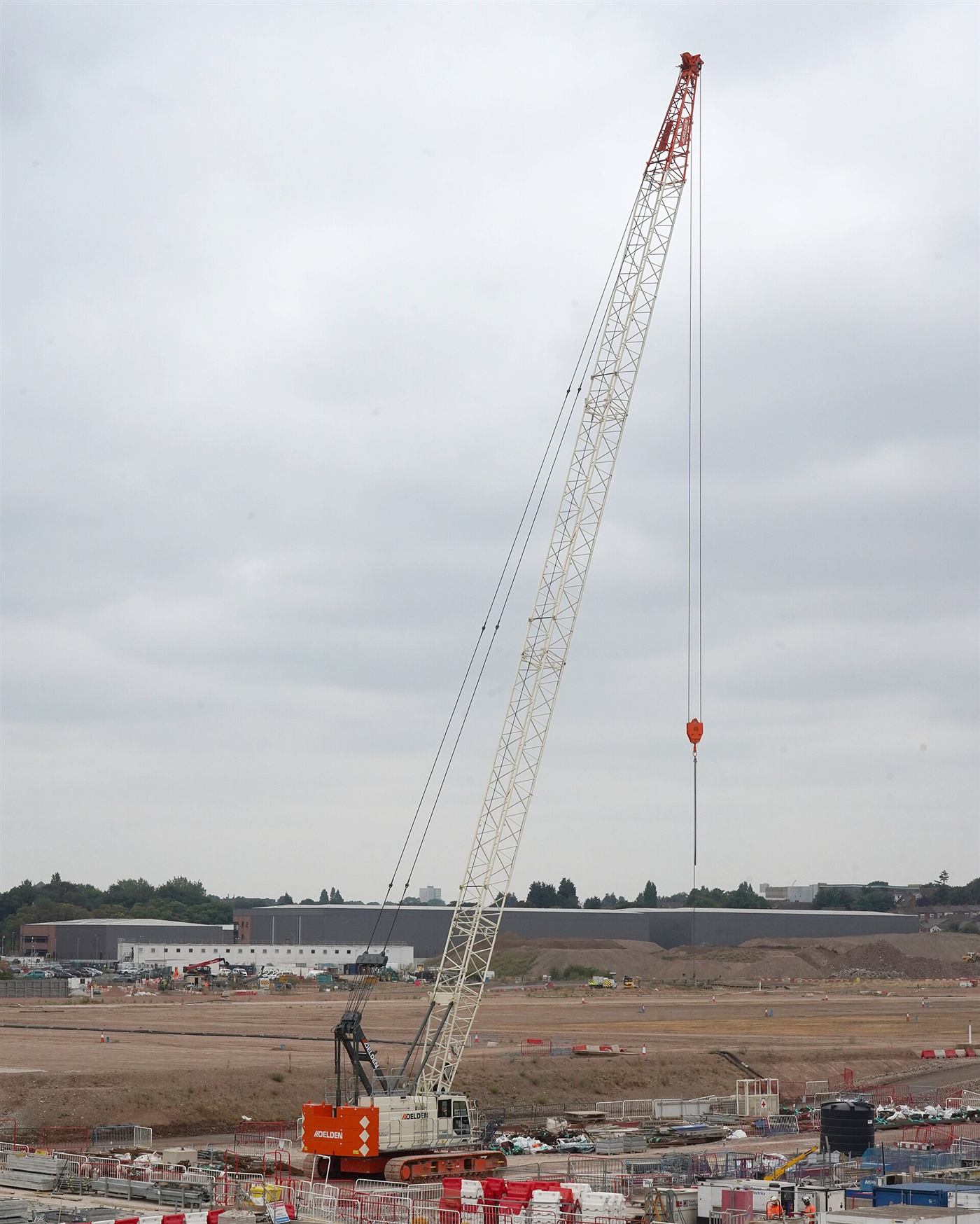
Tower crane / Mobile & crawler crane / Rigging, dogging & signalling / Excavator
See the industry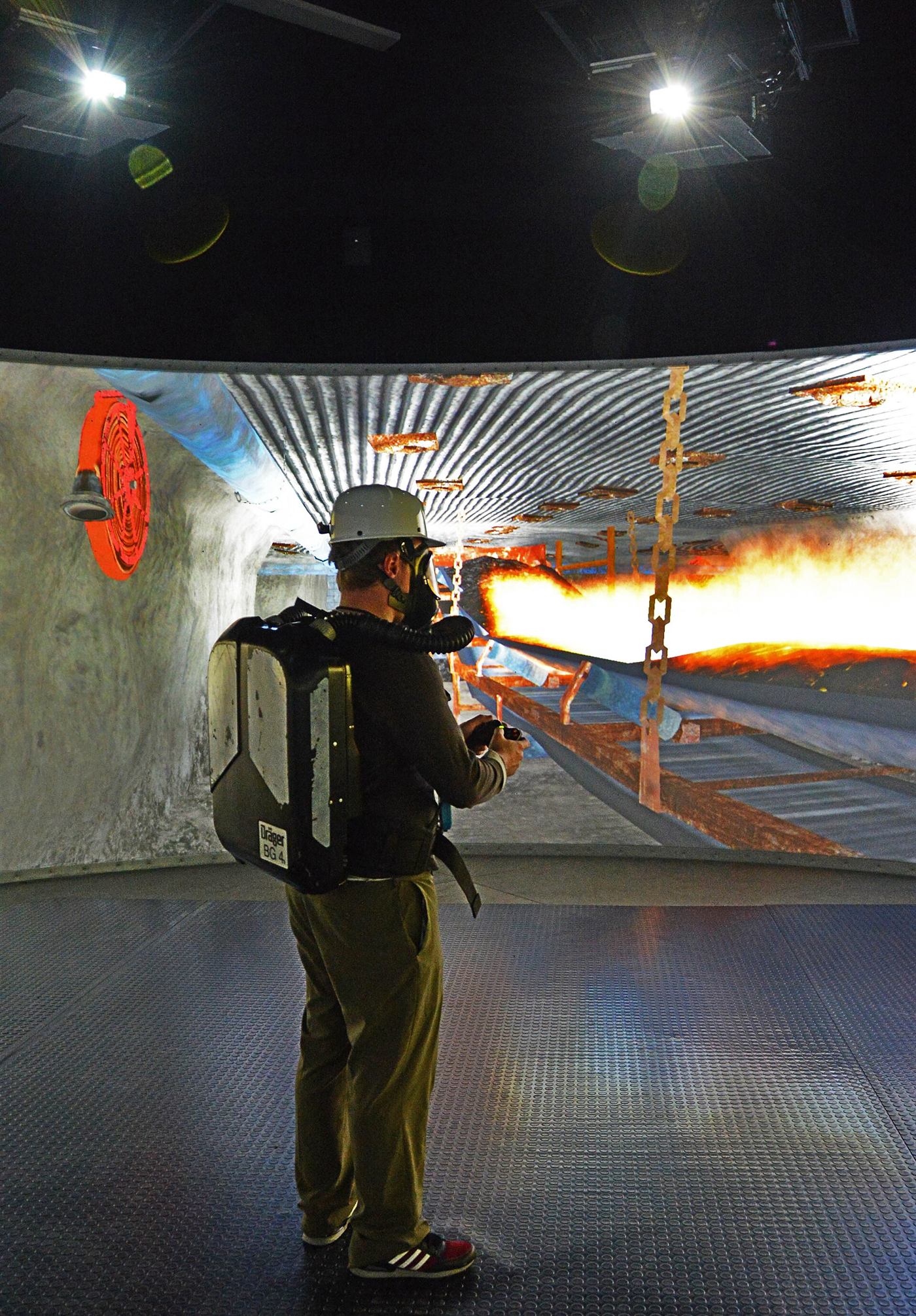
Underground hazard awareness / Mine emergency & escape / Mine rescue team drills / Underground loaders & remote operation
See the industry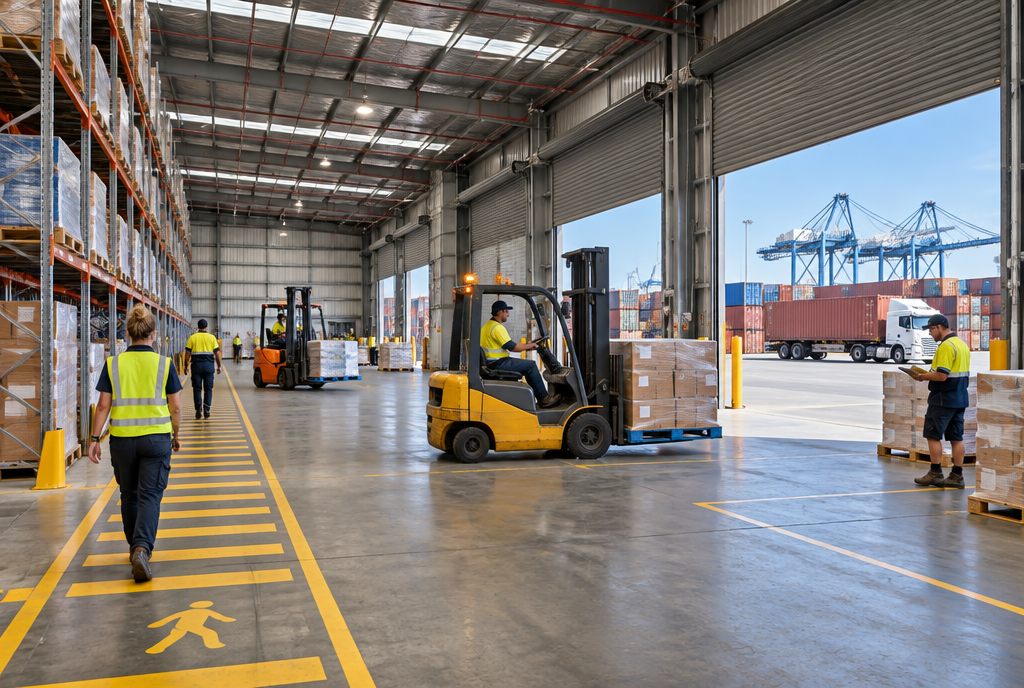
Forklift & reach truck / Overhead & gantry crane / Port & container cranes / Isolation & lockout/tagout
See the industry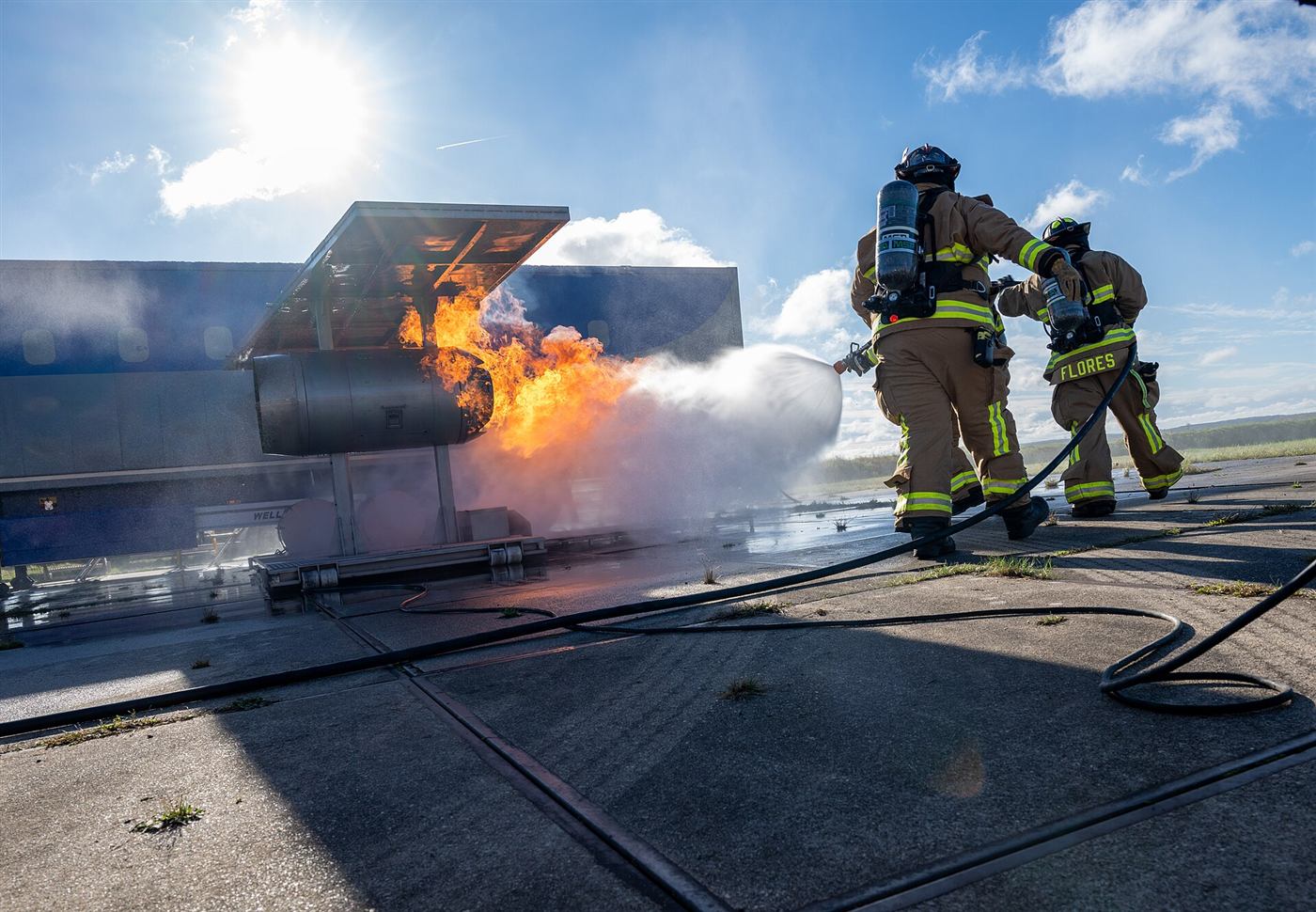
Fire alarm panel & fault-finding / Fire warden & evacuation / Fire extinguisher training / Hot work & fire watch
See the industry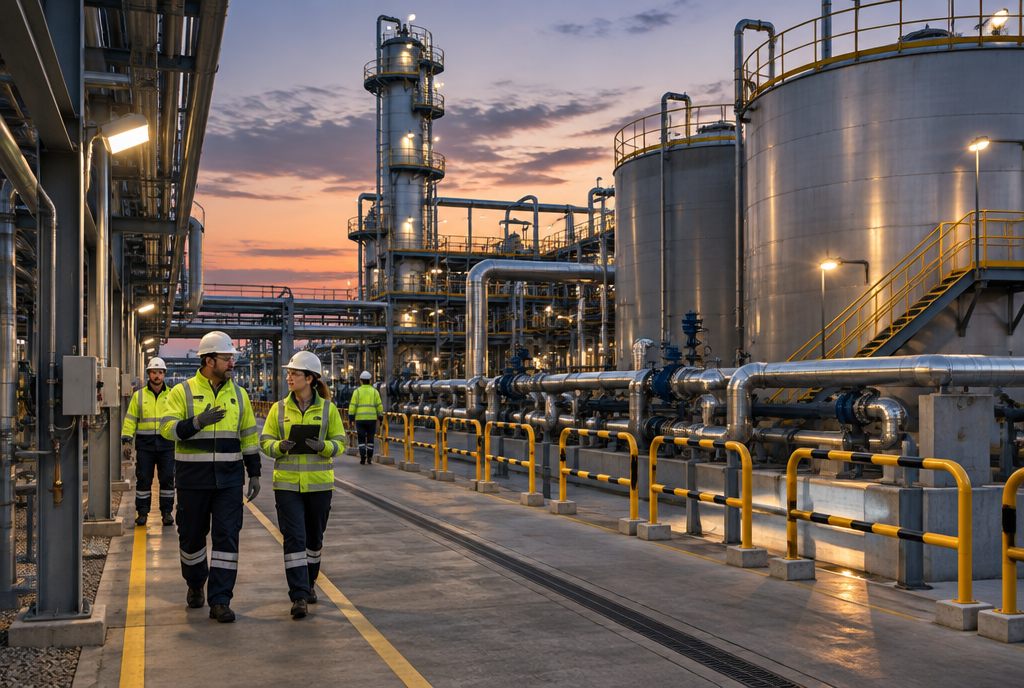
Power line & asset inspection / Flight fundamentals & emergencies / Confined-space & indoor flight / Confined space entry & rescue
See the industry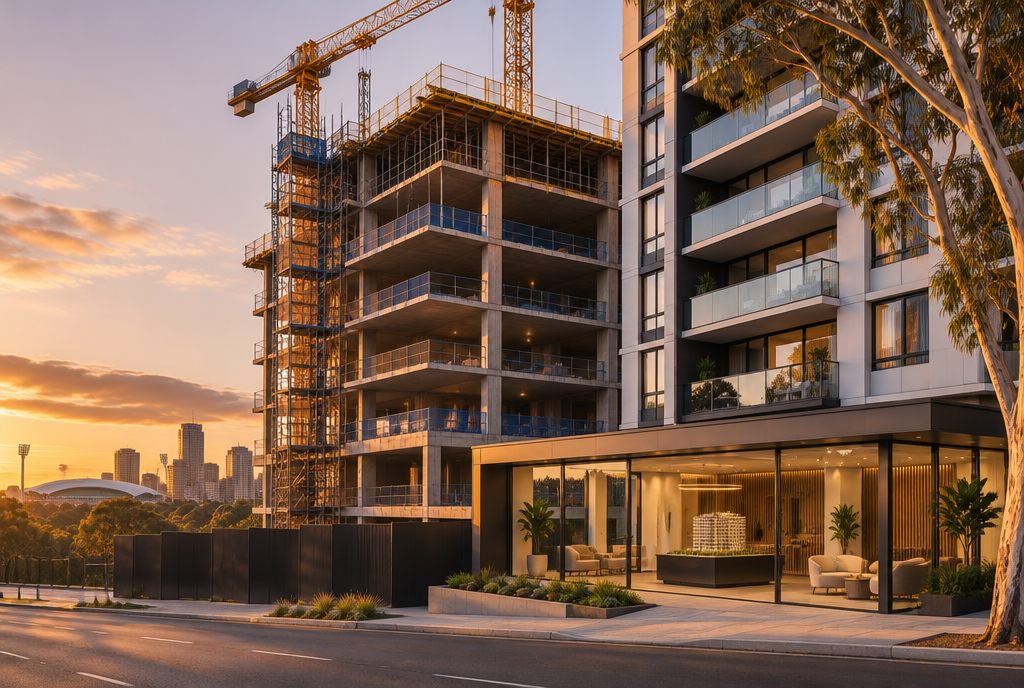
Off-the-plan walkthroughs / Building operations twins / Remote property inspections
See the industryFrom the first call to rollout, with a pilot before anything scales.
Step 1
A call and a site visit or workshop to agree the problem, the users and how we'll measure success.
Step 2
Training needs analysis, storyboards, hardware choices and data sources, signed off before we build.
Step 3
3D models, software, hardware and integrations, reviewed with your experts as we go.
Step 4
One crew or one site uses it while we tune scoring, alerts and usability.
Ongoing
Installed at your sites, your people trained, then updated as your site changes.
Tell us what you need to train, monitor or show. We reply within two working days with a first outline.
Start a projectCustom training program development means designing training from a company's own risks, procedures and competency standards instead of buying a generic course. Voxelane analyses what crews need to do, designs scenarios that rehearse those tasks in VR or on a simulator, sets the scoring against the client's competencies, and connects the records to their learning system.
No. Every program is designed and built for one client. We reuse our own engineering where it saves time, but the scenarios, scoring and records are set for your site.
It depends on scope. A single focused scenario takes weeks; a multi-scenario program with a simulator or digital twin takes longer. We give a timeline after the training needs analysis.
Yes, that's where we start. Your procedures, permit forms and units of competency become the backbone of the scenarios and the scoring.
Ownership and licensing are agreed in the contract before any work starts.